
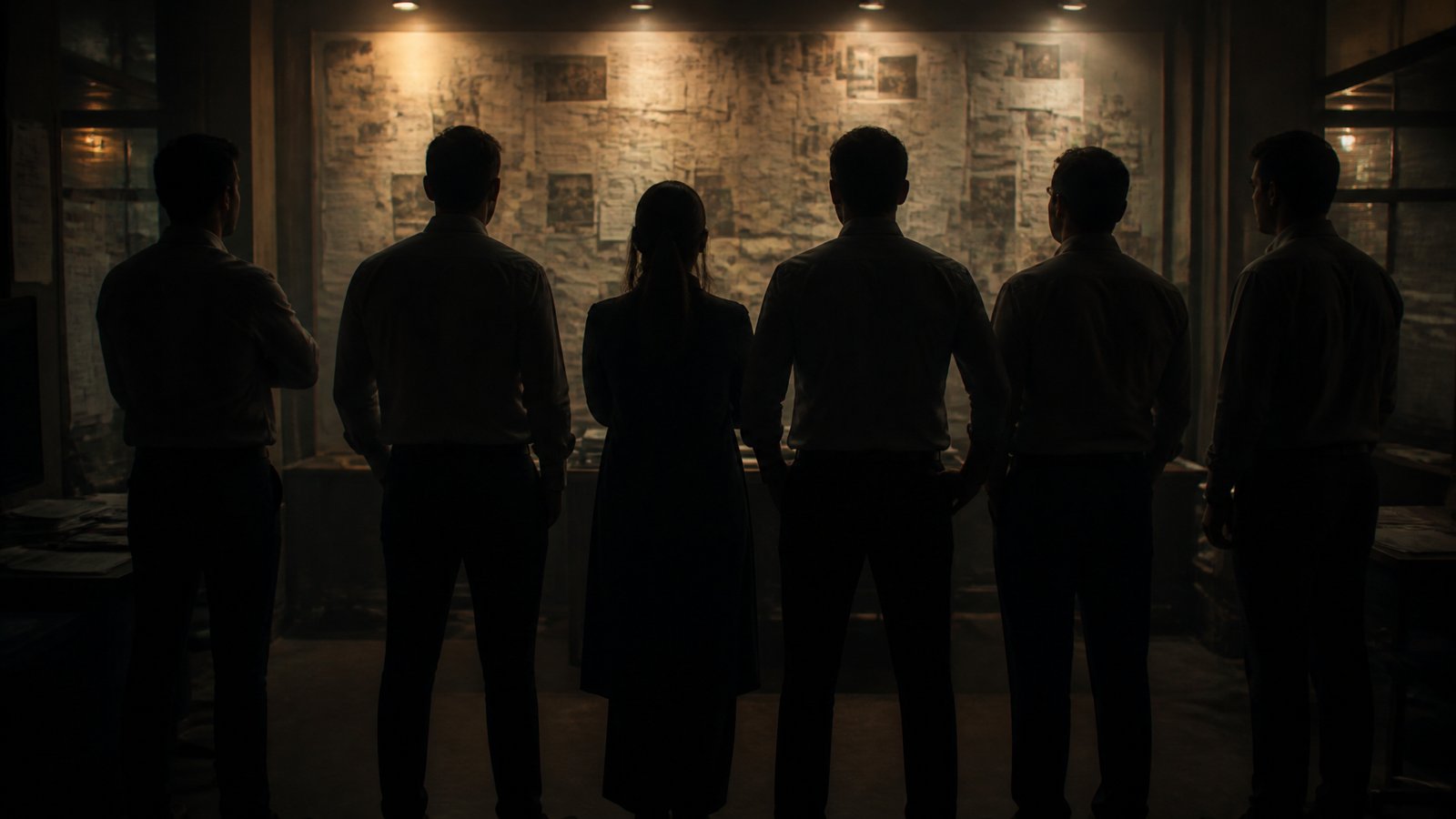



Tier One · The Principals
The Characters
Two hunters, one antagonist, and the wound they share — with the ensemble of predators and the broken who surround them. Click any portrait to enlarge.
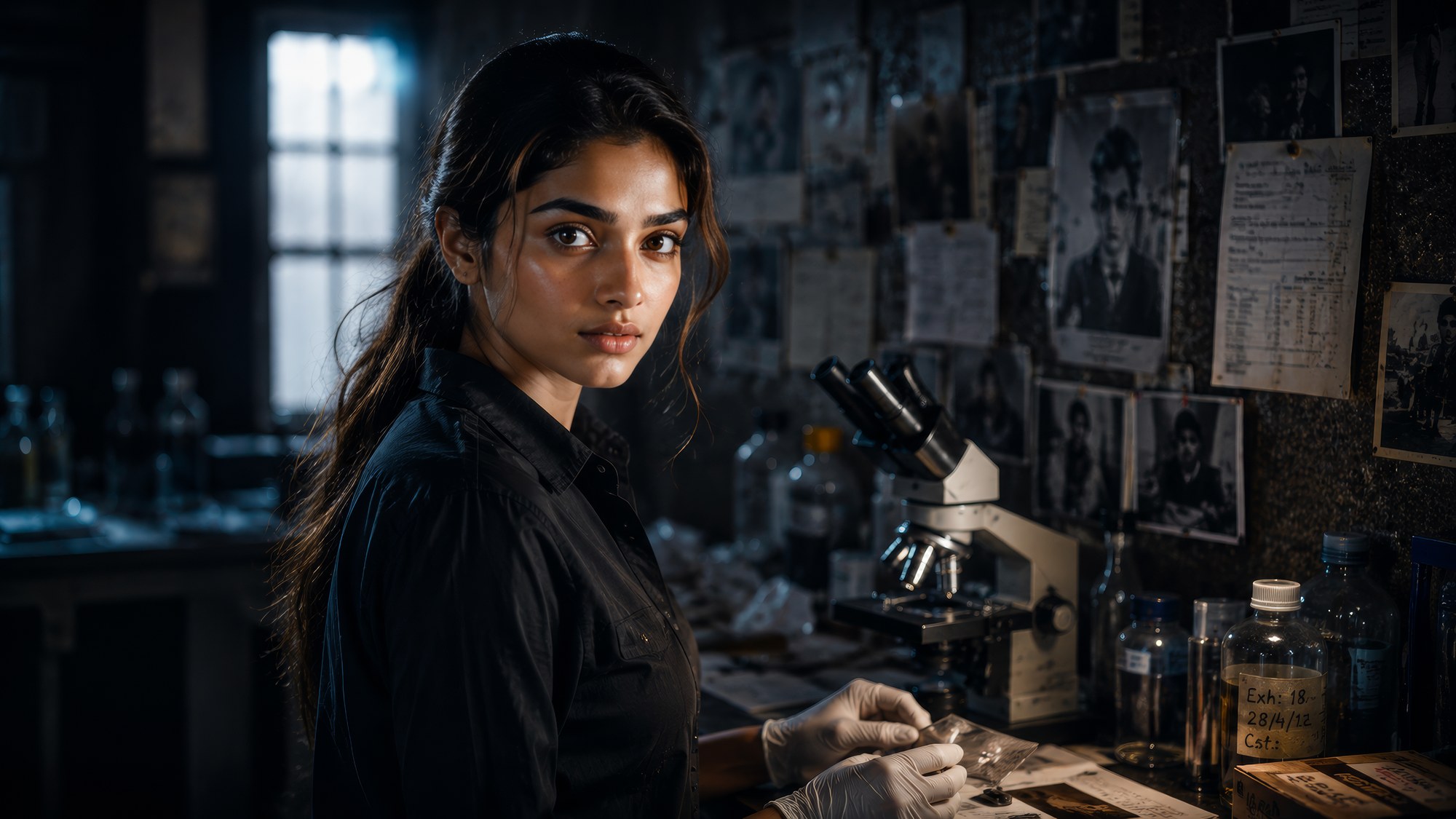
Striking rather than conventionally pretty: a sharp jaw, still features, and dark, intelligent, faintly unsettling eyes that don’t blink enough. A dancer’s economy of movement, then sudden precision. She is the finest forensic scientist in the country and the most prolific serial killer it has never caught.
Her wound is the engine of the show: raped for a year as a child by her uncle — now a sitting Chief Minister — who murdered her parents to bury it. Saved and trained by Pundit Omkarnath, she now hunts the predators the law protects, baiting them as a call girl, paralysing them with Atracurium, reciting their crimes, and returning the pieces to the garbage. She is addicted to the ritual, and she knows it.
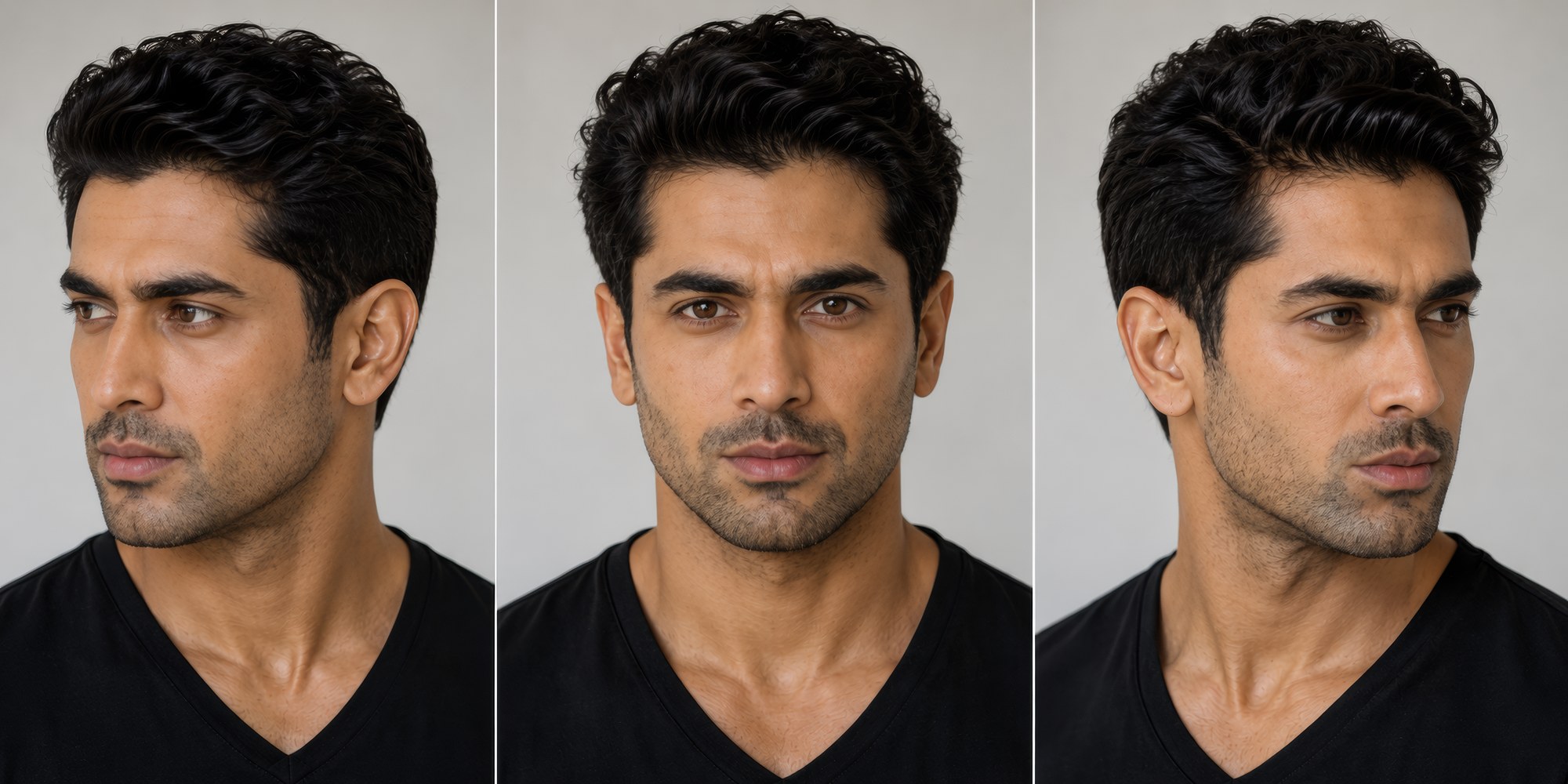
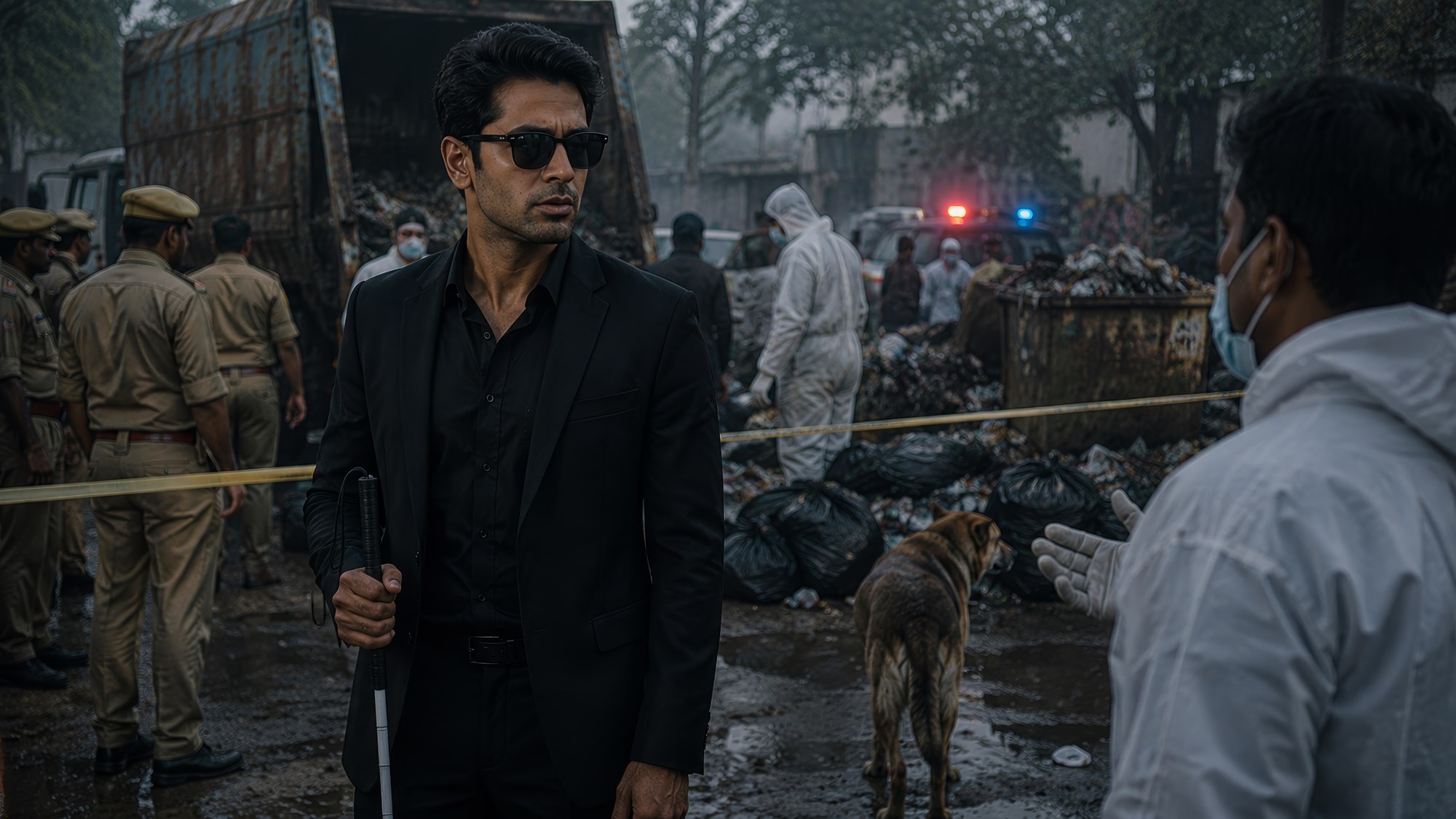
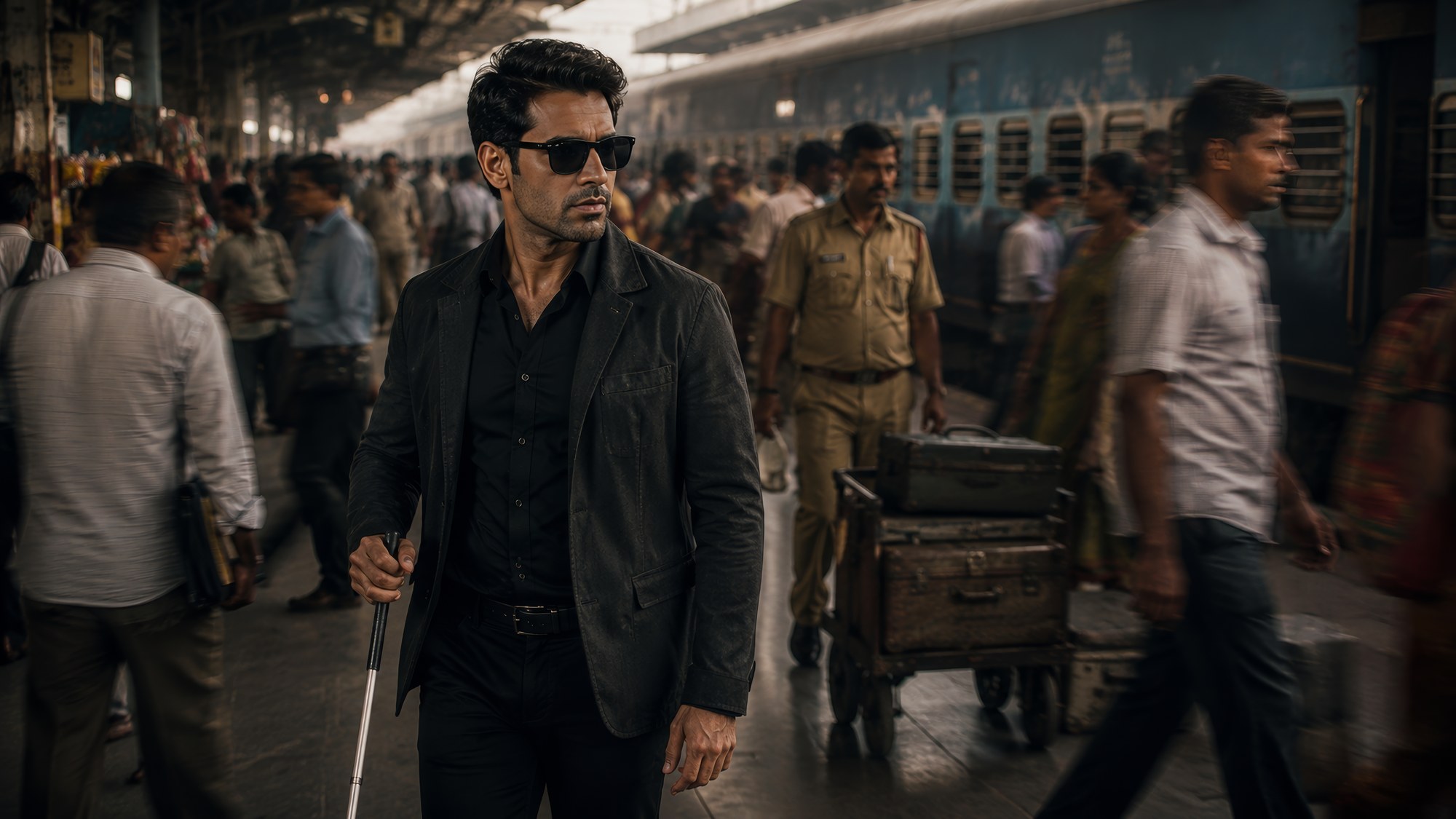
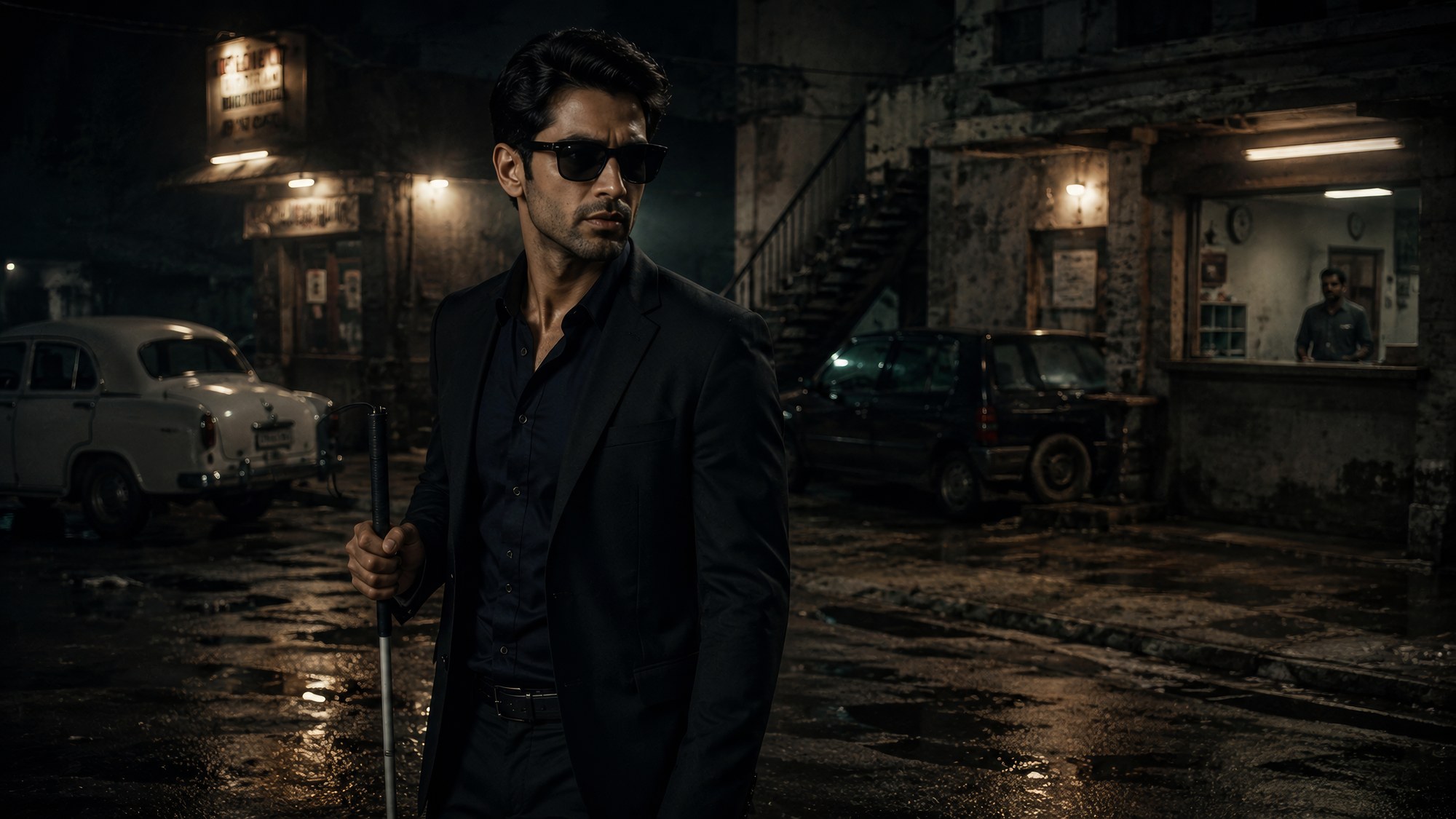
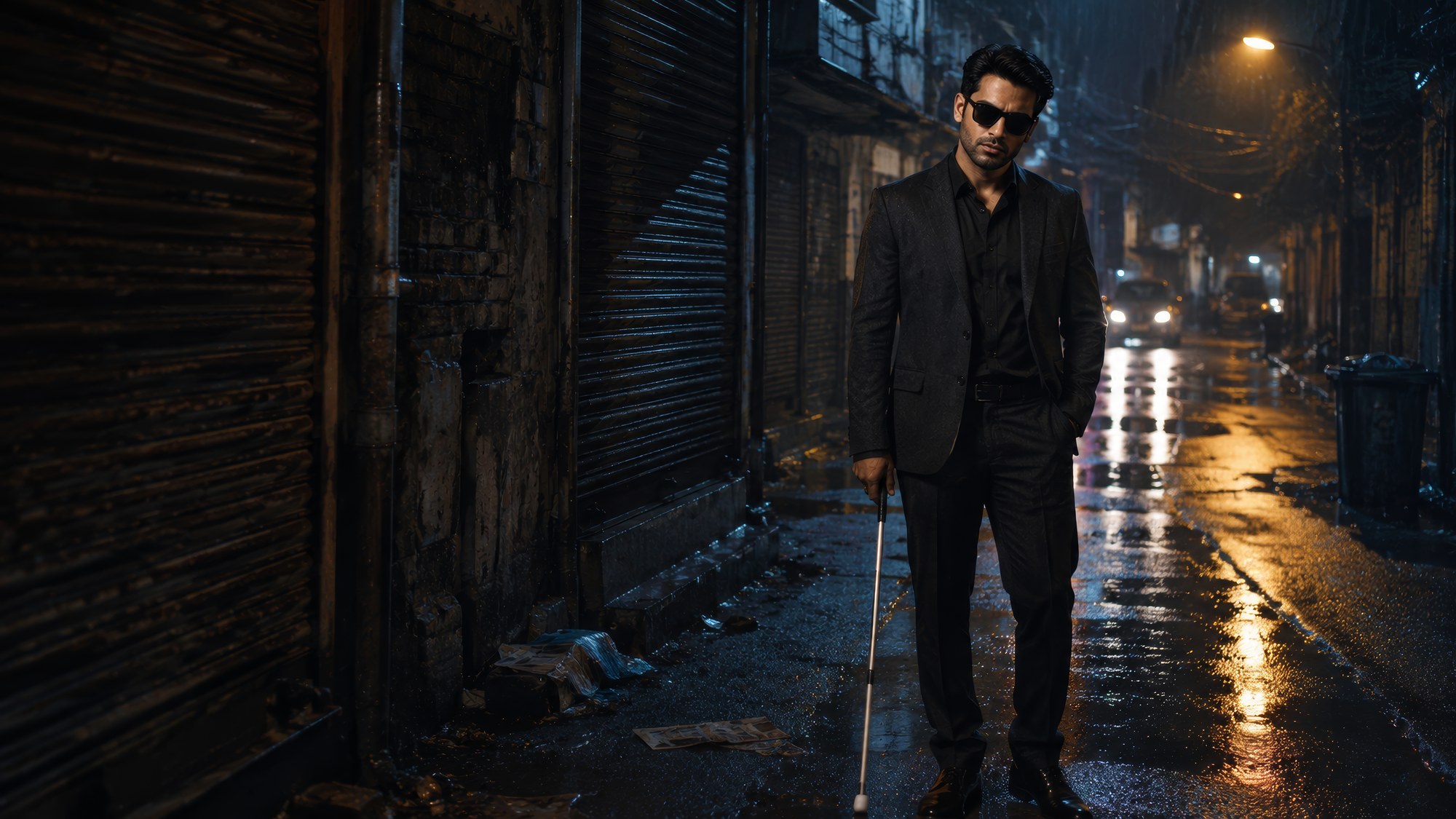
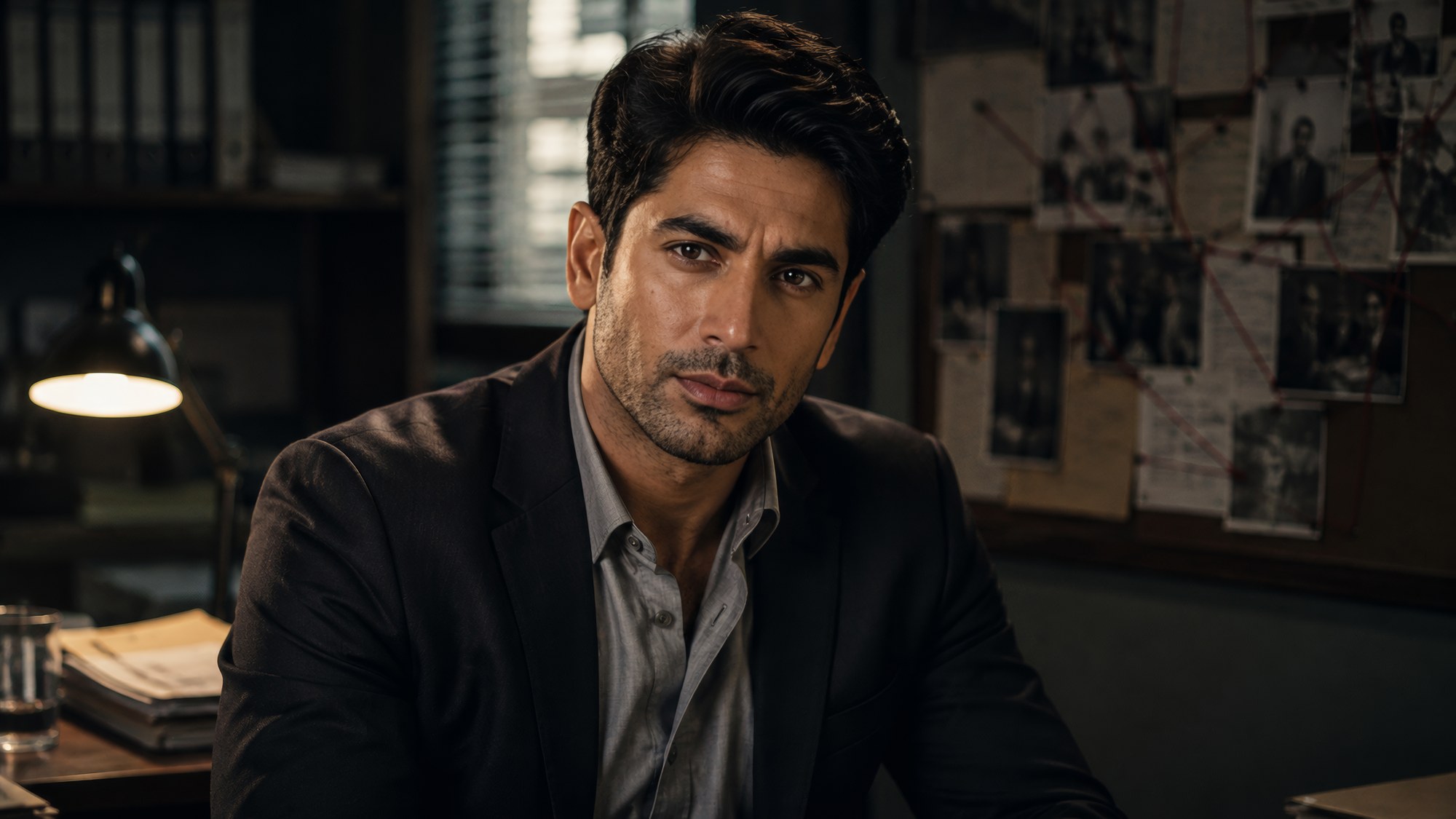
Lean, very still, head carried slightly tilted to listen. Dark glasses always; a slim, well-worn folding white cane he uses with quiet expertise; salt-and-pepper stubble. He dresses in soft, unfussy neutrals — a blind man trusts others to keep him plain. His face does the listening; his hands map the world.
He catches killers by understanding the pain that made them — which is precisely why he is so dangerous to Neha. A near-fatal “car accident” that took his sight was in fact an assassination attempt tied to the buried Diwakar conspiracy. The team orbits his profound calm; he, alone, is slowly circling the truth at the centre of his own unit.
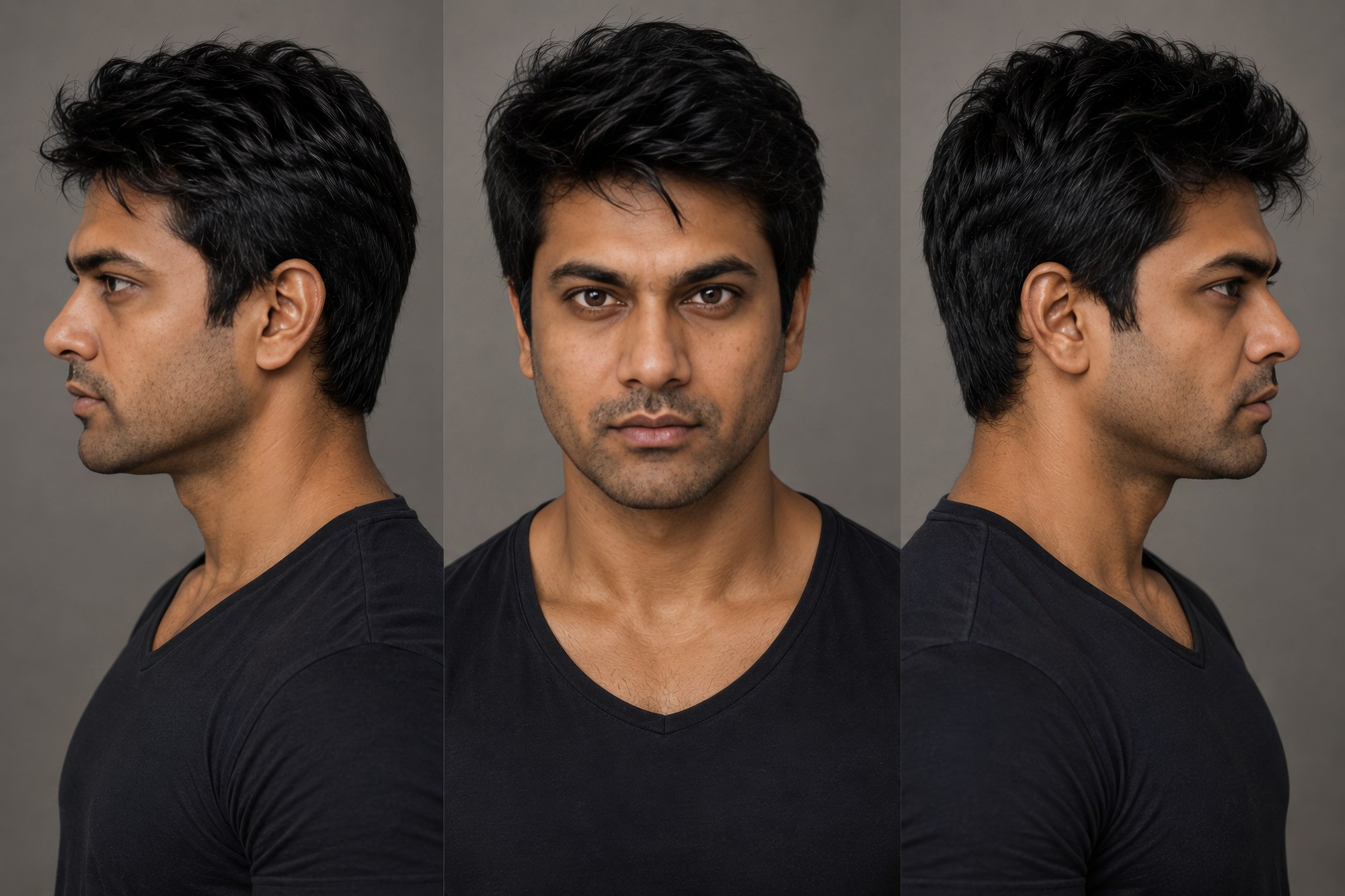
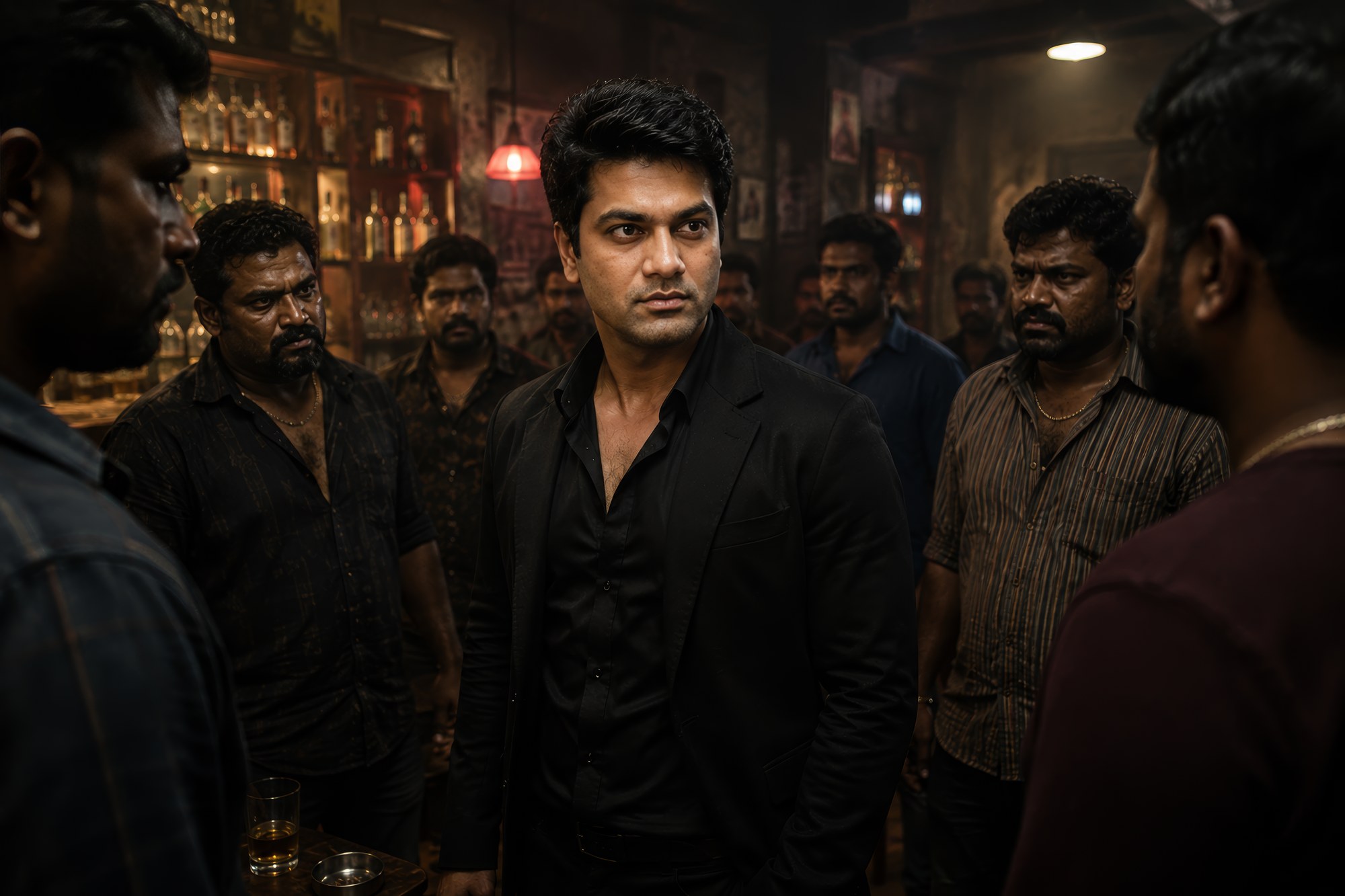
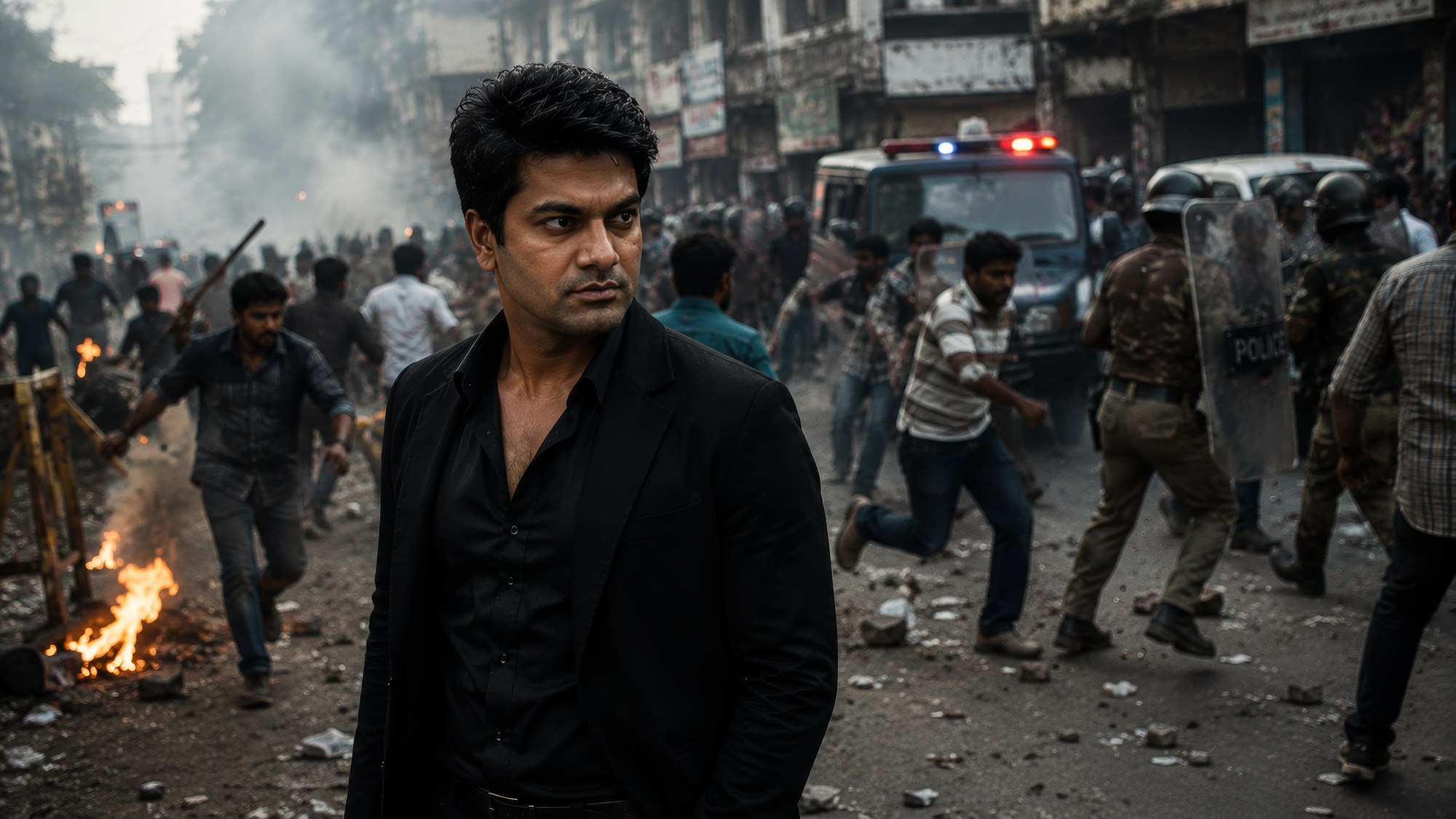
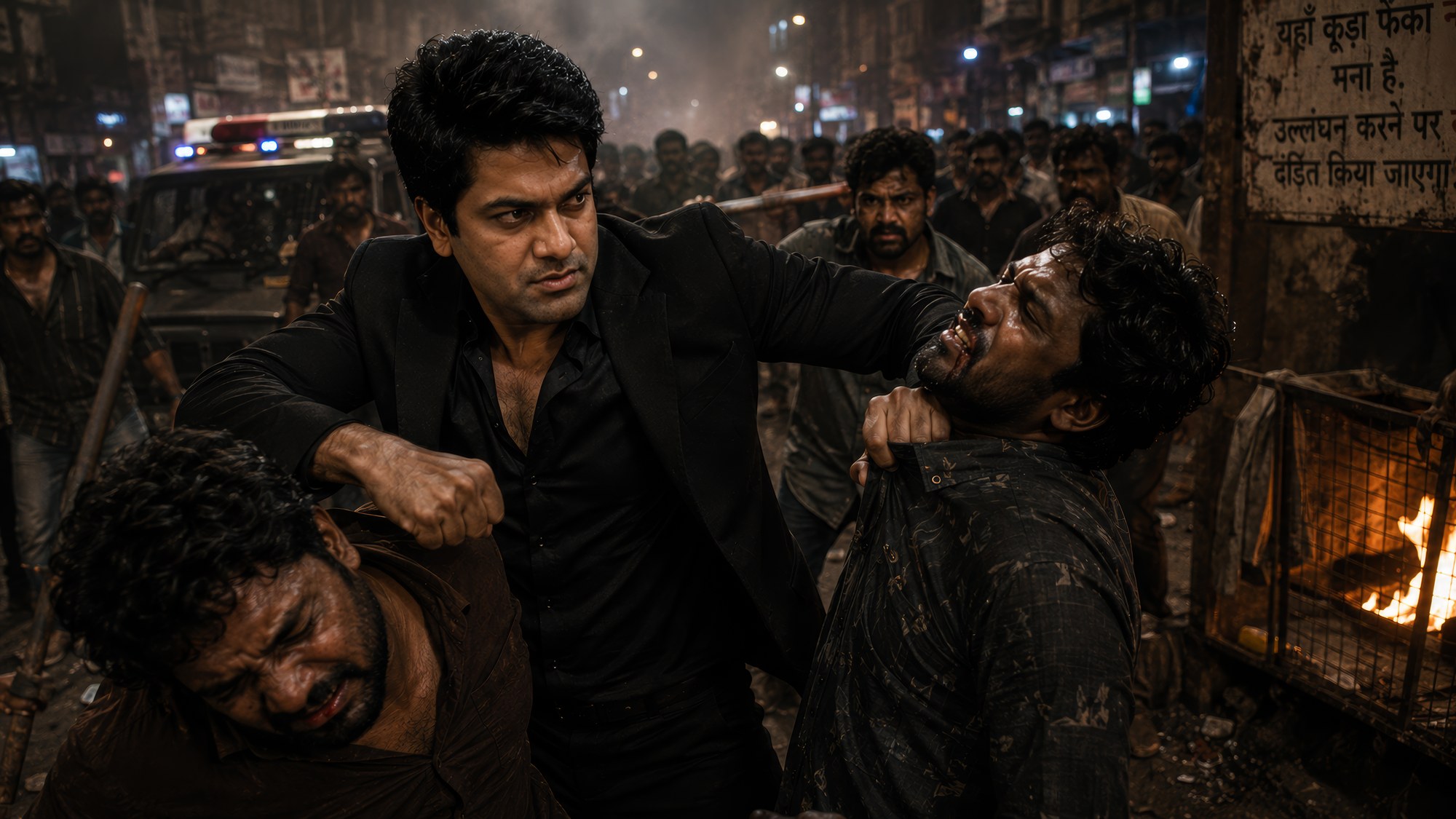
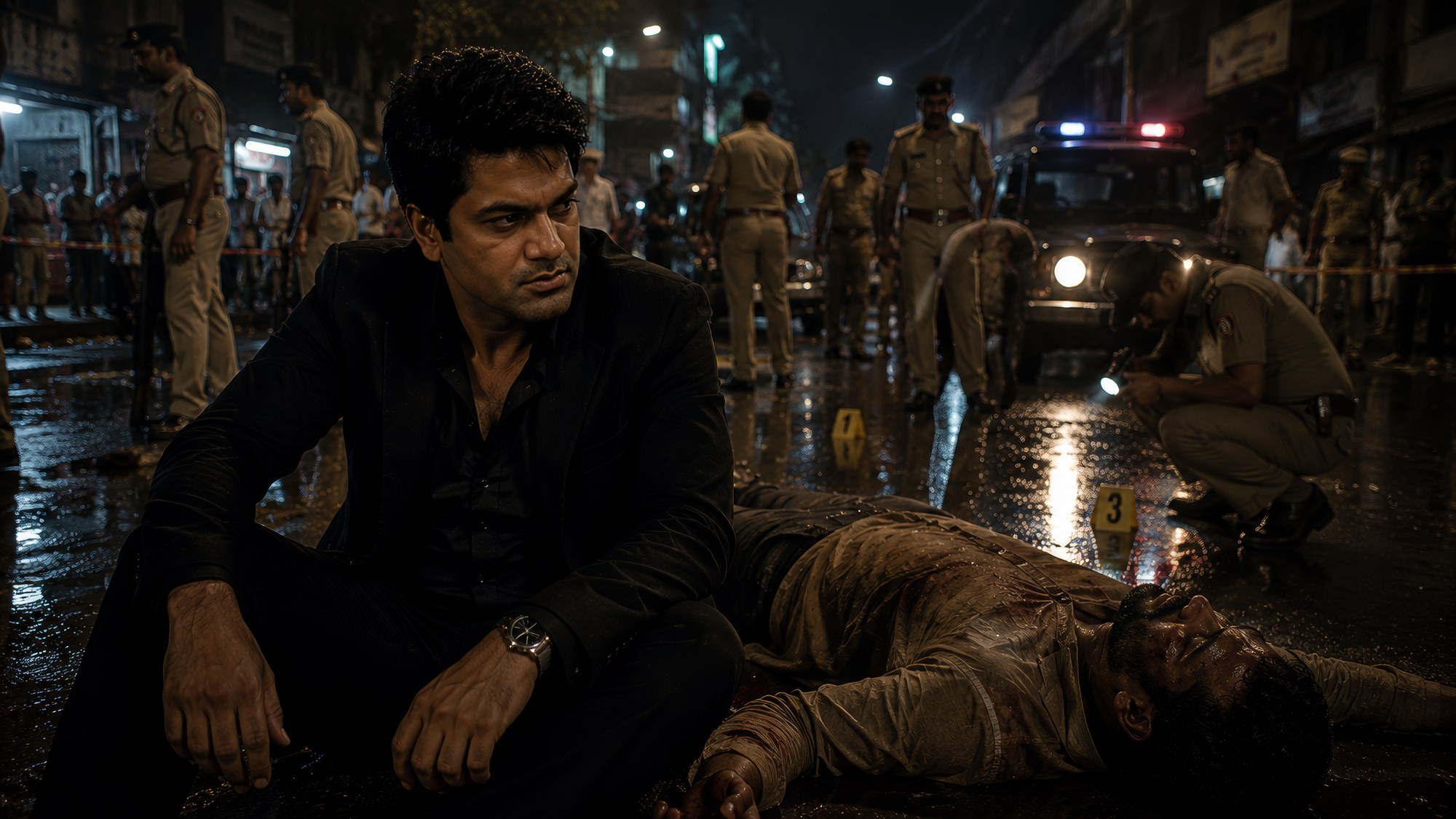
Lean, hard, military economy of movement. Dark jeans, henleys, a worn field jacket, boots; a faded scar or two; watchful eyes; absolute stillness that detonates into action. Speaks little, moves first.
By the finale we learn the cost written on him: a hundred-plus kills in another life. It is Arjun who argues that the garbage-body murders are personal, not contract work — because contract killers never meet their victims. The deduction points, unknowingly, straight at Neha.
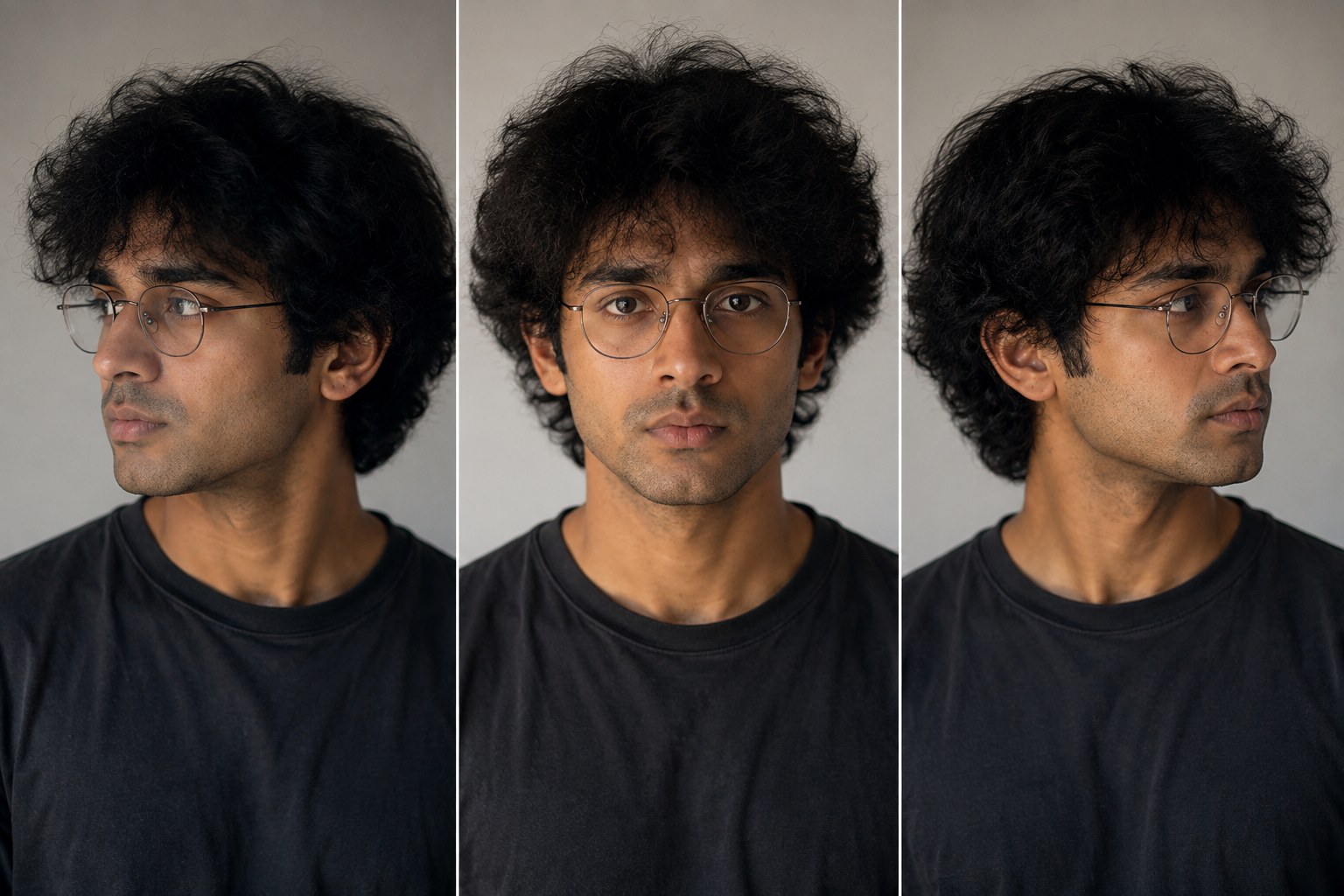
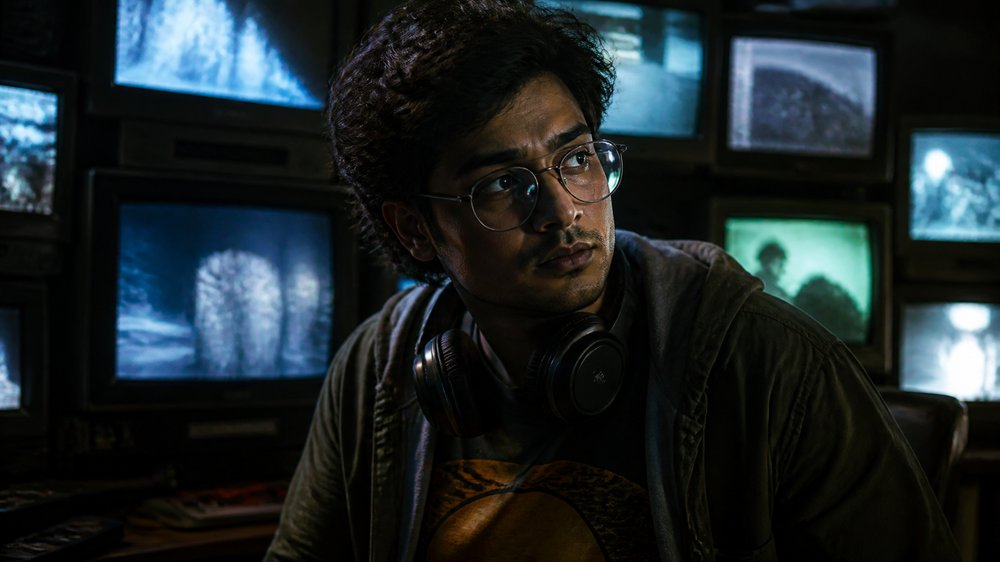
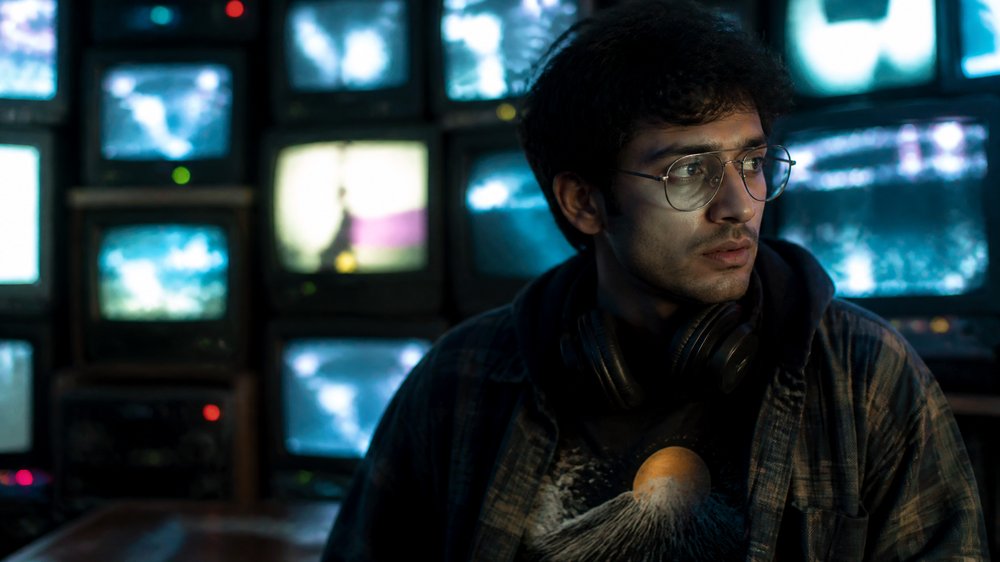
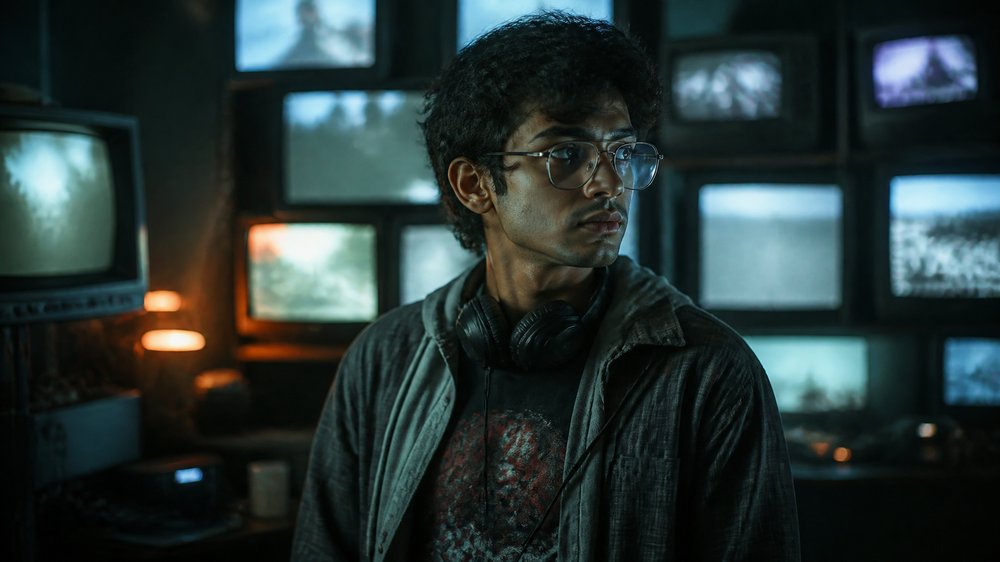
A boyish Bengali in hoodies and graphic tees under an open shirt, wireframe glasses, headphones round the neck, a nest of monitors and cables wherever he sits. Grief for a dead father buried under geek energy and very fast hands on a keyboard.
He builds the timelines that expose the killers’ rhythm — the shortening intervals, the hijacked jar-tempo, the phone records that lead to Sarita. He also, unknowingly, bonds with one of the killers he is hunting.
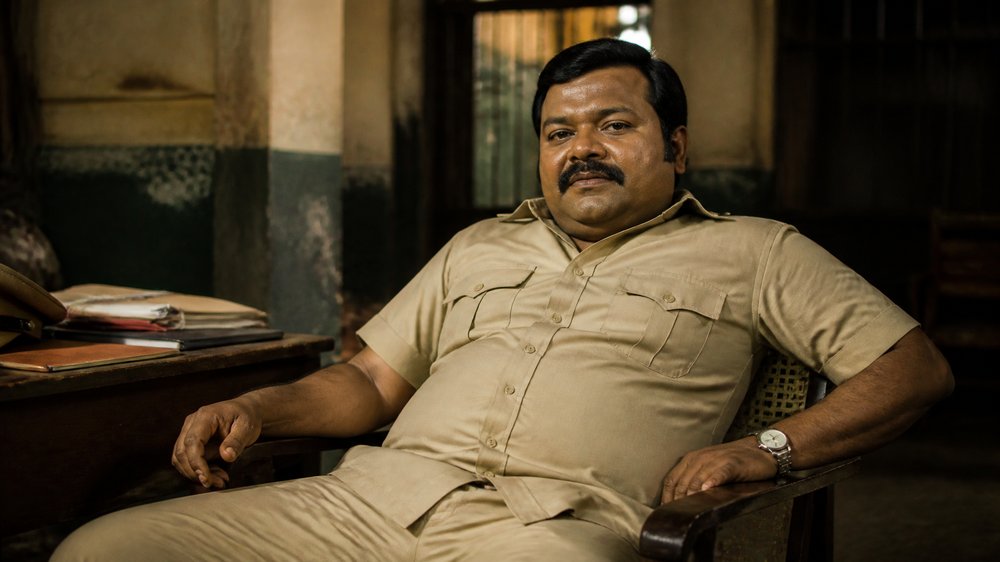
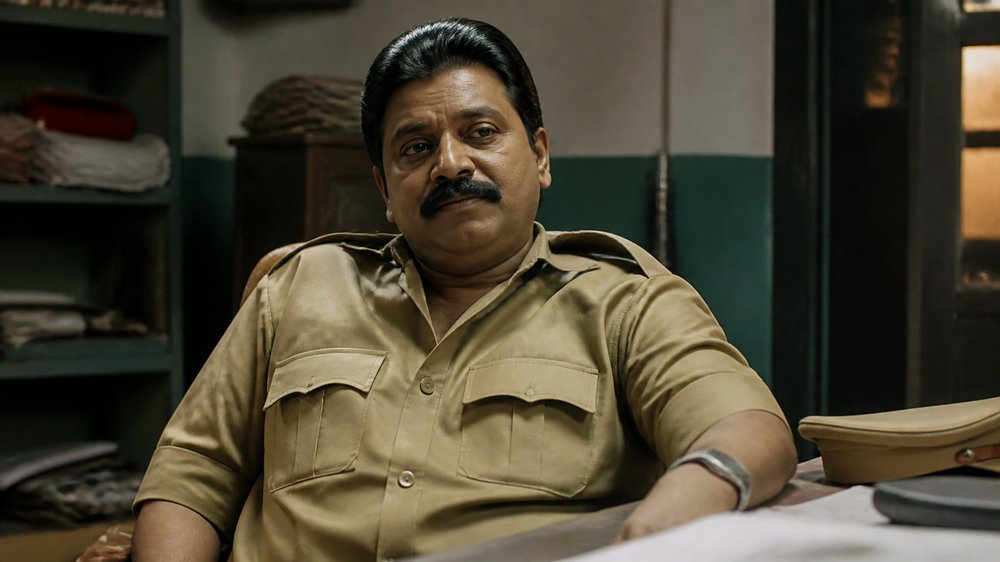
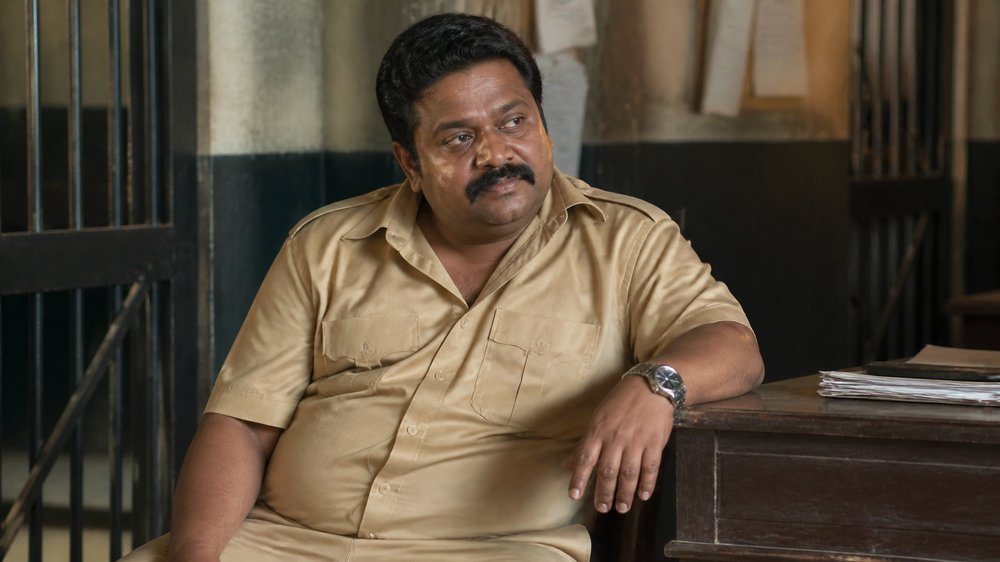
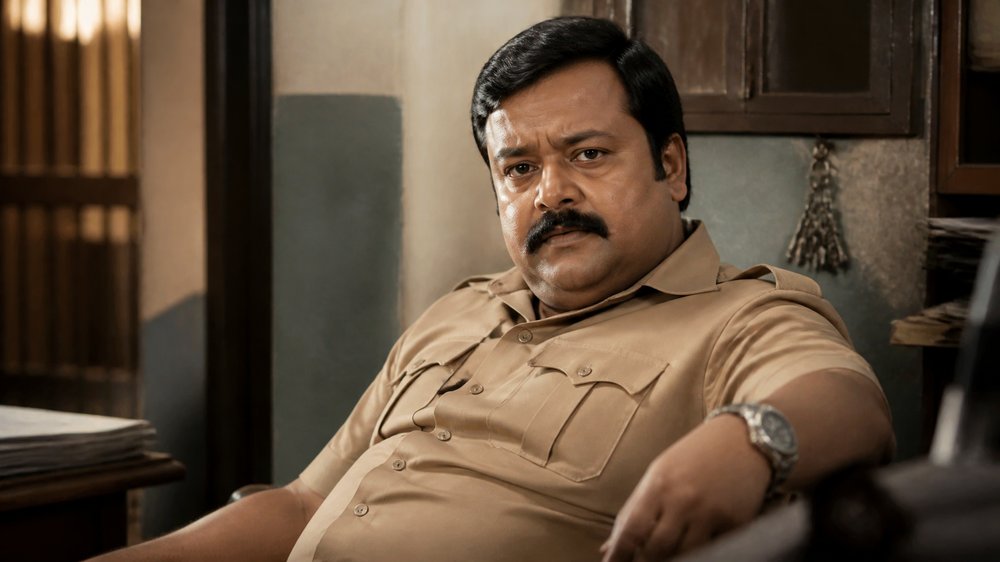
An honest Bihari cop — stocky, thick-moustached, an ill-fitting safari suit or a too-bright bush shirt, a steel watch, oiled hair. Broad Bihari Hindi, a famous slap, a patriot’s heart.
Comic relief who keeps stumbling onto the grimmest evidence in the show — the basement, the warm kitchen, the worst of what the killers leave behind. The audience’s release valve, and its conscience.
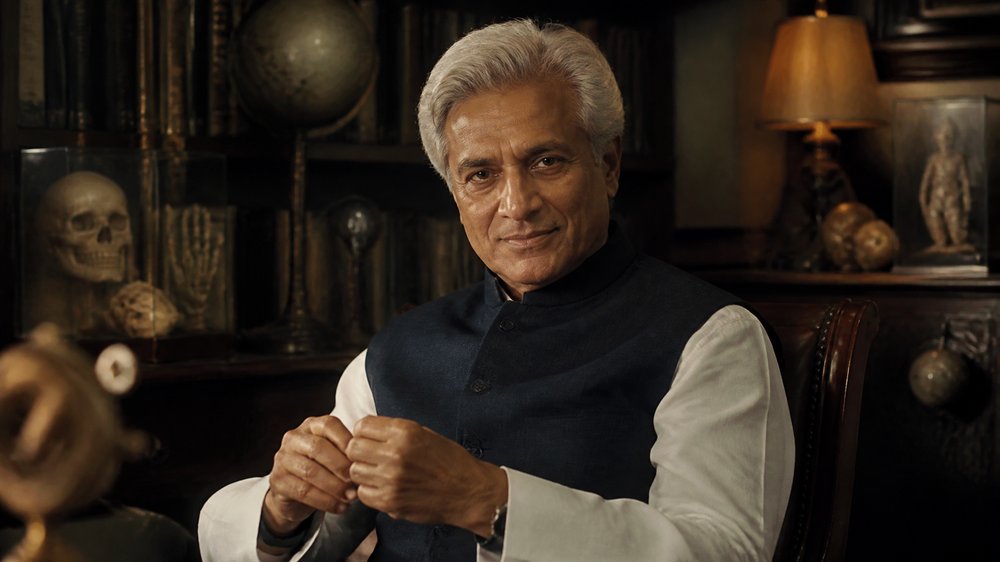
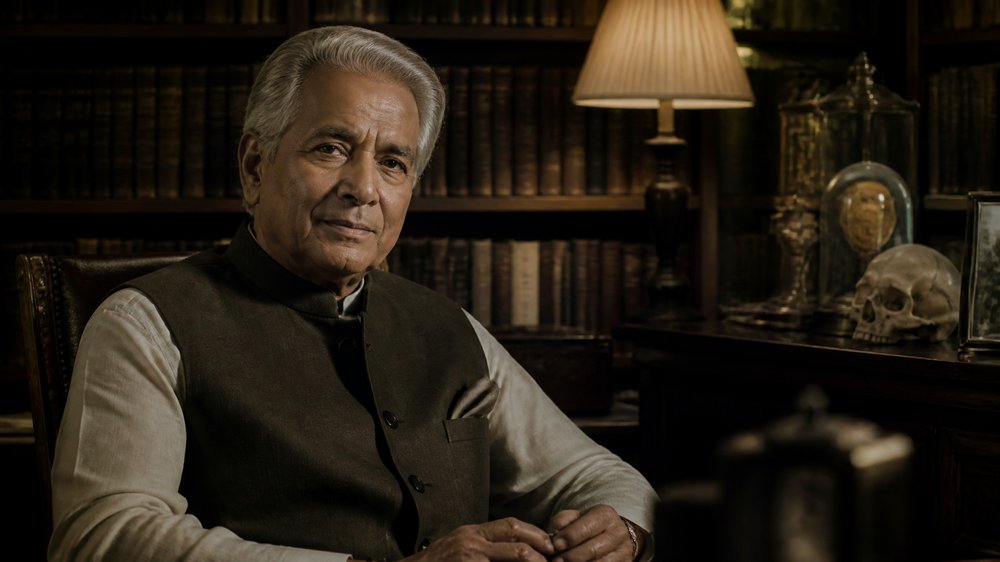
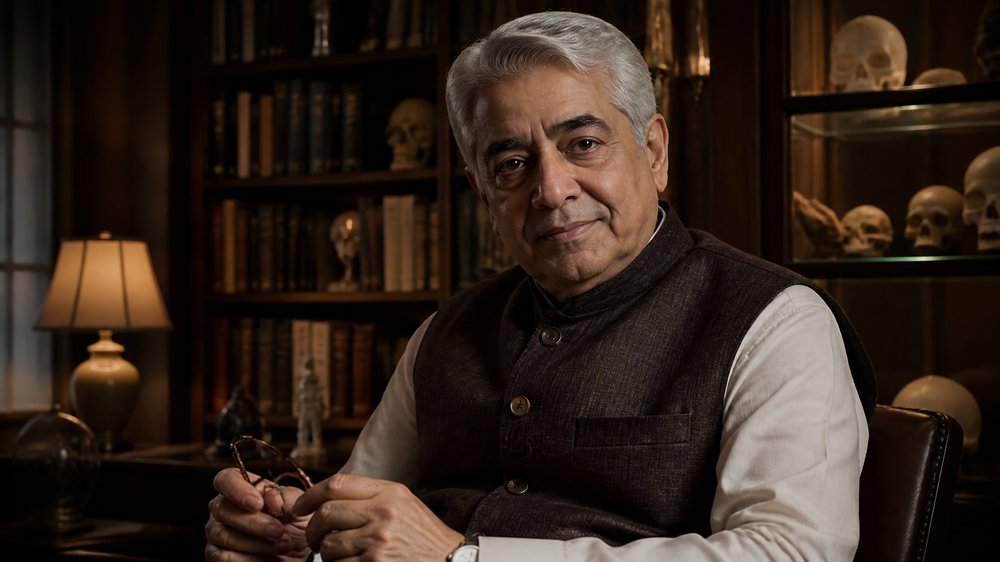
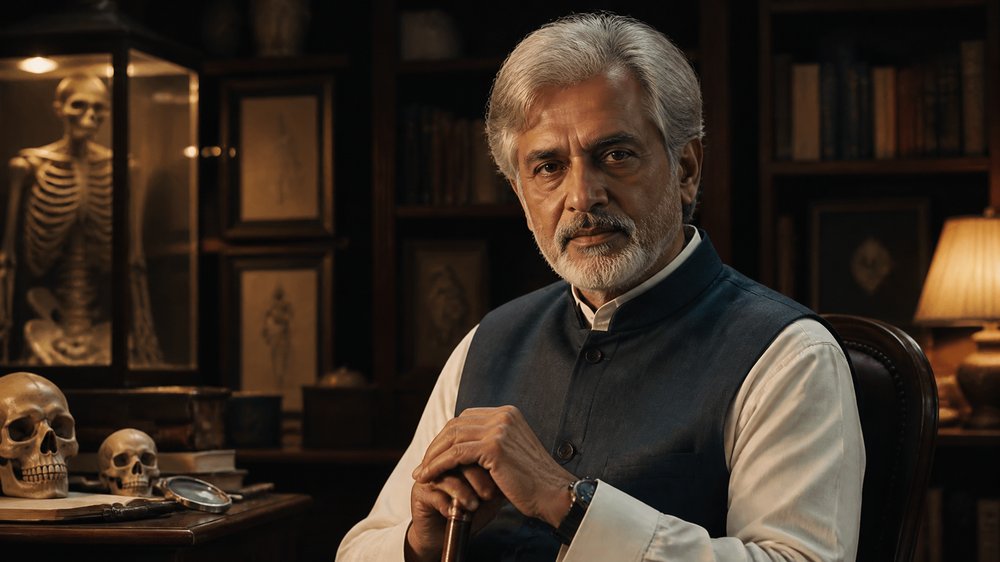
Patrician, silver-haired, upright — crisp kurtas with a Nehru waistcoat at home, tweed and a muffler abroad. Warm, amused eyes; a scholar’s careful hands. A legendary forensic scientist forced out of the CBI by the buried Diwakar conspiracy.
He is the man who saved Neha, trained her, and knows every one of her secrets — her abortion, her addiction, every kill. Her conscience and her enabler in one impossible love. As the season turns, he reopens the conspiracy that destroyed him, and quietly resolves to protect his daughter even when her truth breaks.
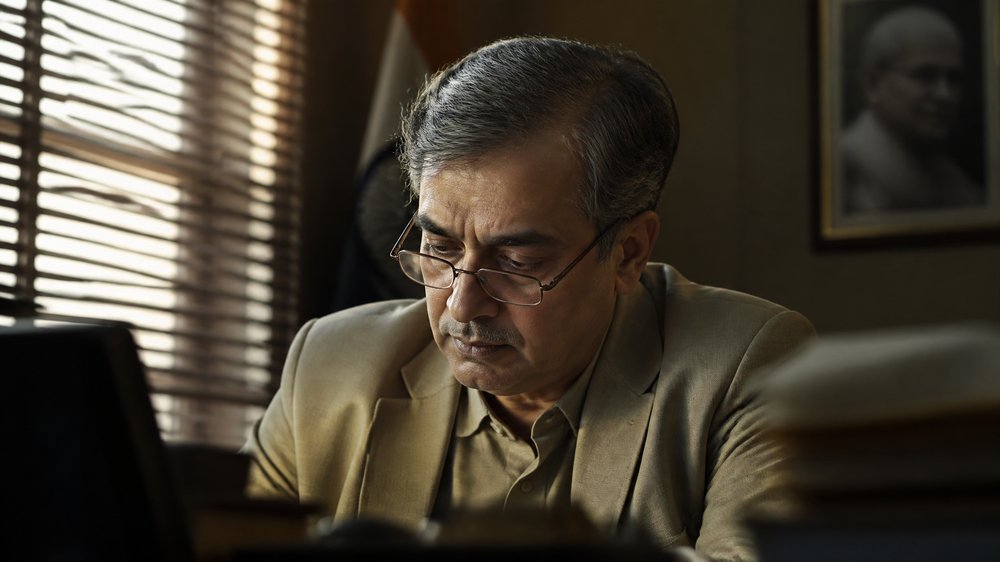
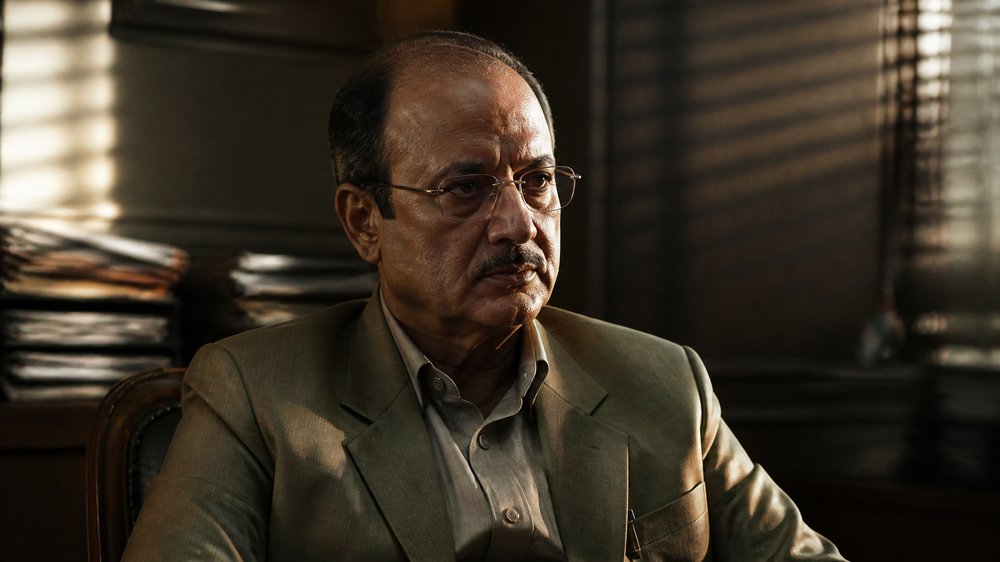
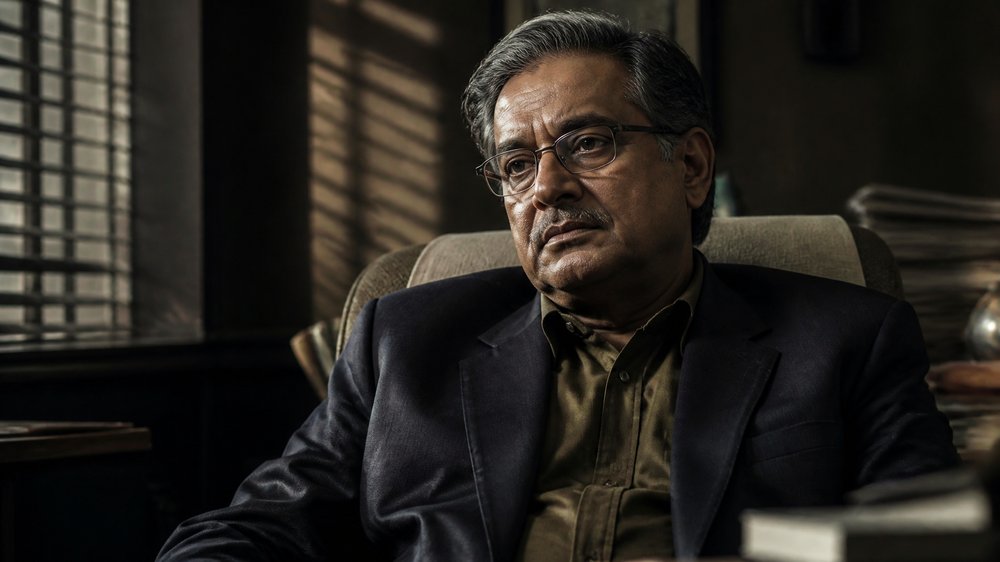
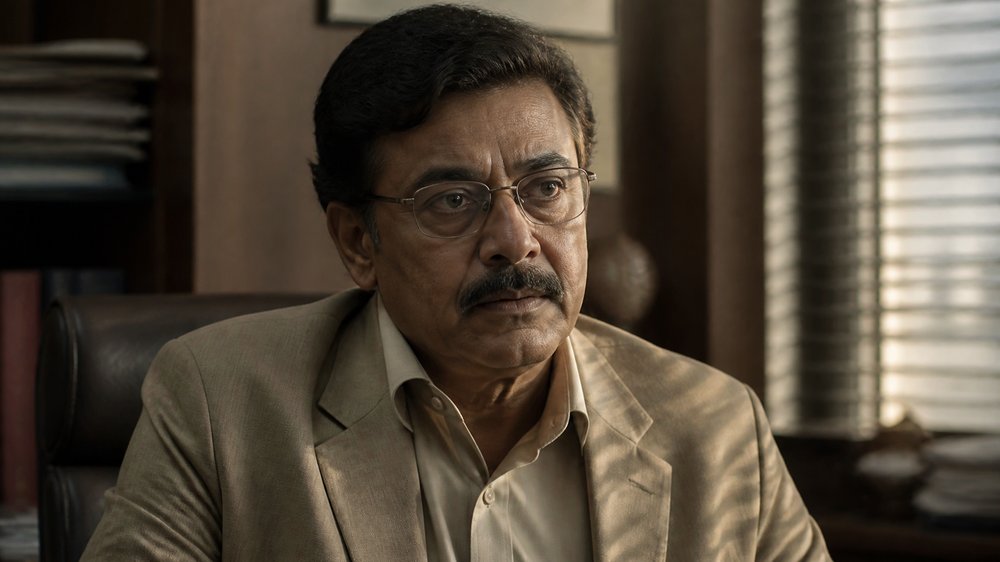
A crisp, tired bureaucrat — safari suit or blazer over a bush shirt, reading glasses, the weight of the PMO on his shoulders. Decent, political, exhausted.
He recruits Sajal, protects the unit from above, absorbs the political pressure — and, without ever knowing it, hands the country’s deadliest killer a badge and a seat at the table.
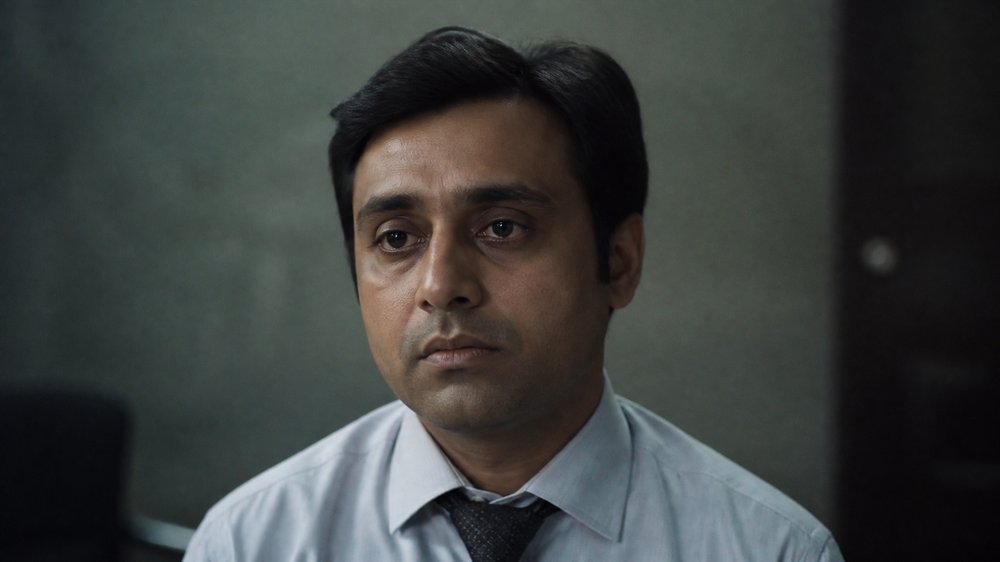
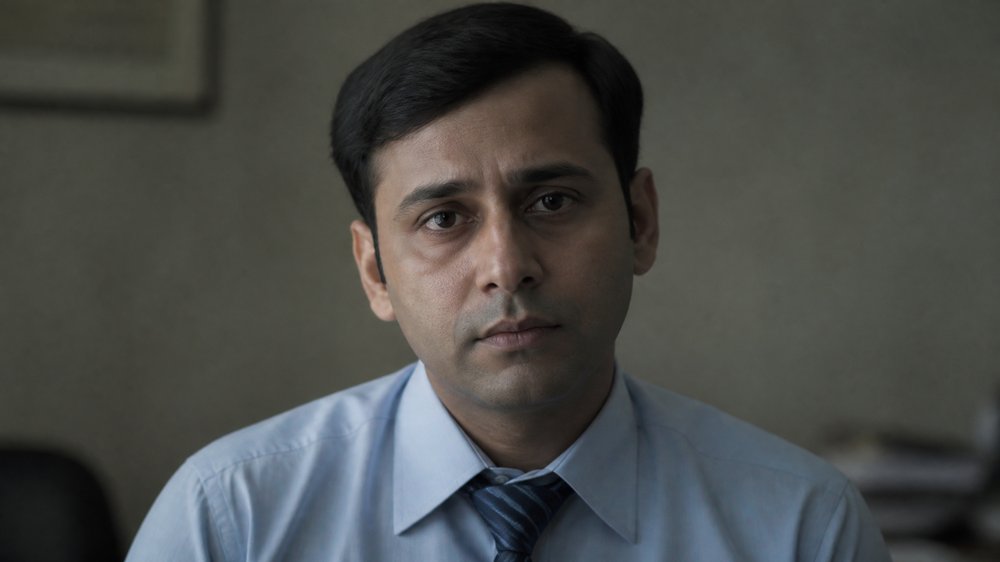
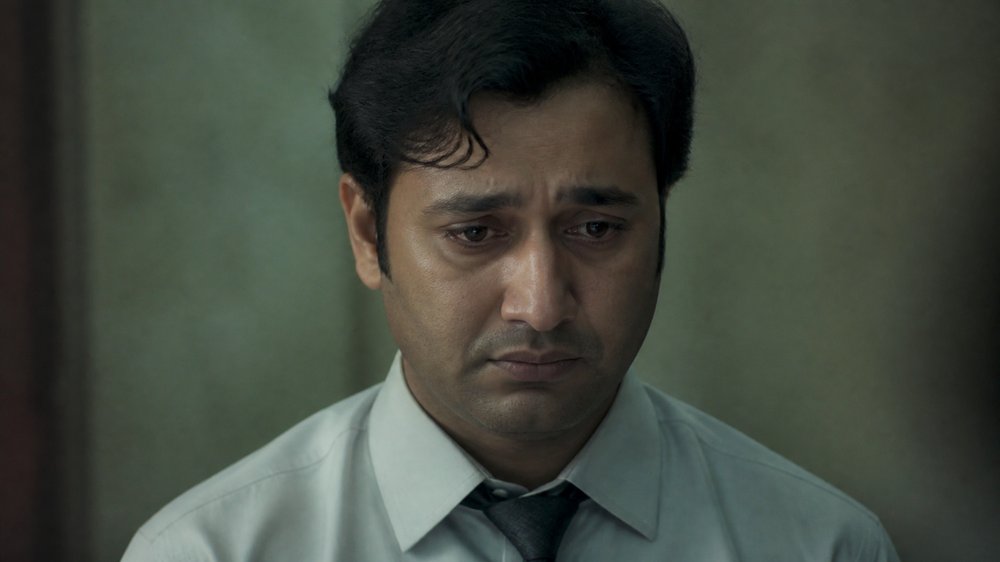
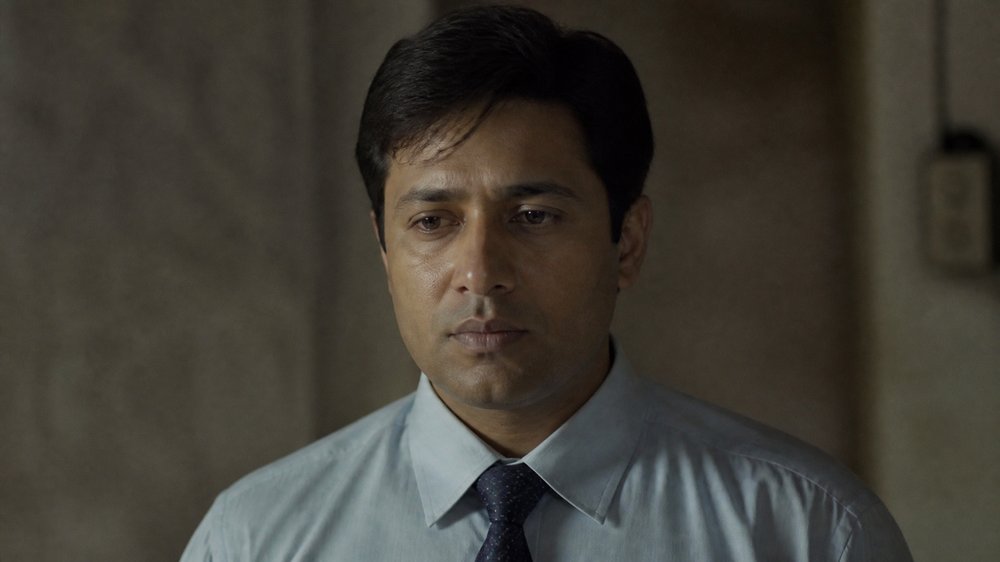
Crucially ordinary: a soft, forgettable face you would never look at twice — that is the horror. Early on, a clean pharma-rep in shirt and tie, a brown shawl when he hunts, a gentle voice. Later, after he alters his face and shaves his head: gaunt, hollow-eyed, twitchy, a coiled wrongness.
He steals newborns, keeps them tenderly for nine days, drowns them, and displays them in custom glass jars marked in the baby’s own blood — re-enacting, again and again, the abused and abandoned child he once was. Beneath the monstrousness, infinite sadness. He is Neha’s dark mirror: the same wound, the opposite verdict.

High-society escort, Anglo-Indian, glamorous and expensive by design — jewel-tone dresses, statement jewellery, scarlet nails, a witty, brittle sparkle worn like armour. In private with Neha: a hoodie or kaftan, a scrubbed face, feet tucked up — the only other person in the show who gets to be real.
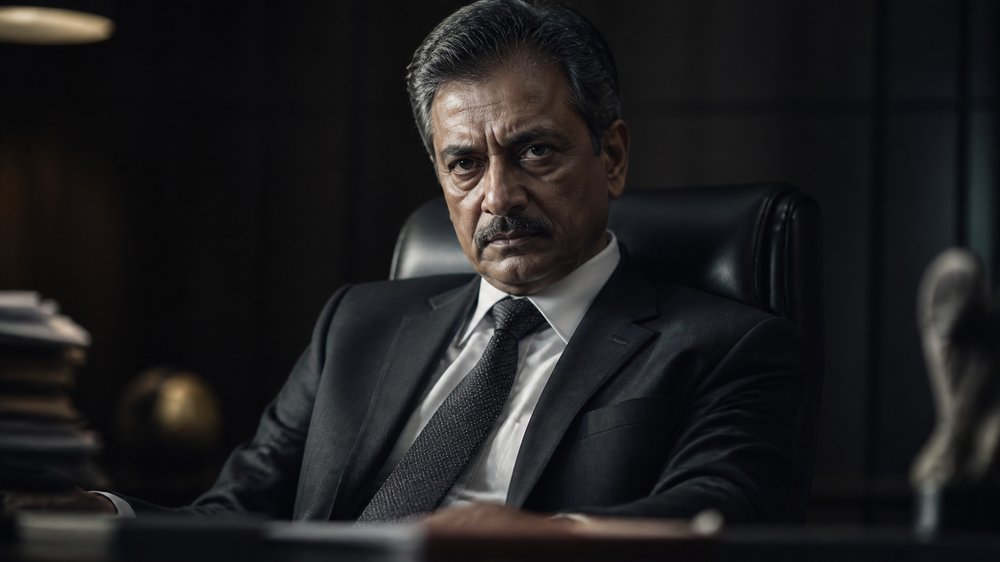
Power dressing — dark suits; clipped, pressured, media-haunted. The political top of the CBI, forever balancing the PMO, the press and the case.
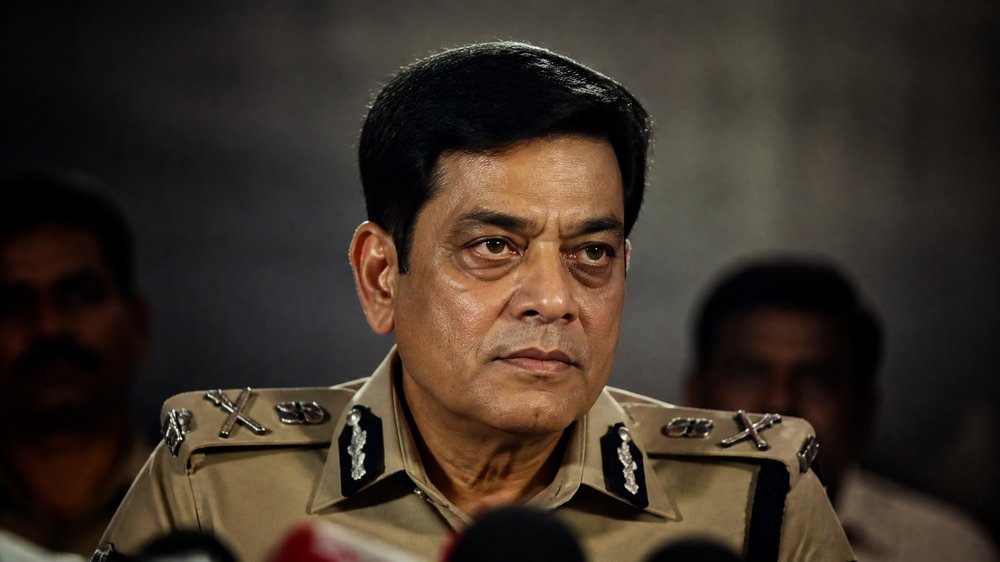
The face of the manhunt — the man who fronts the press conferences and takes over the dragnet for the Neo-Natal Killer as it spills into the open.
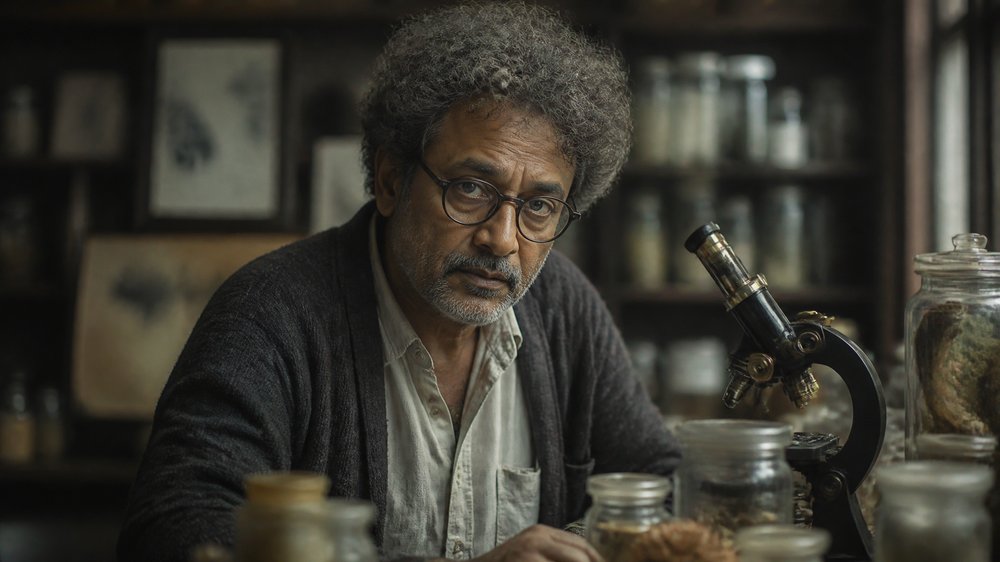
A rumpled academic — the forensic entomologist Sajal recruits to read time-of-death and movement from what the bodies carry. Old-school science against a modern monster.
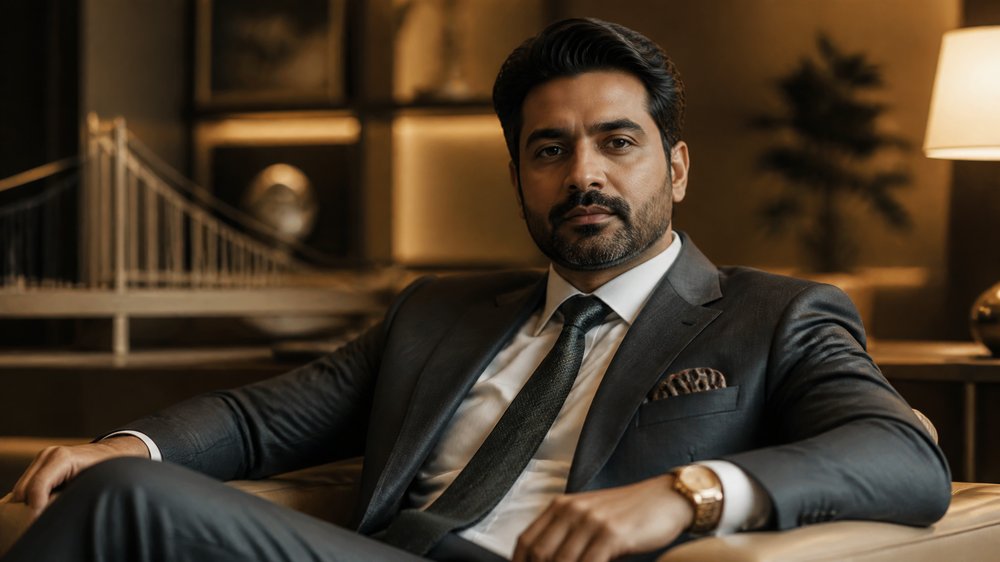
A freshly-divorced infrastructure CEO — groomed, entitled, the confidence of the never-punished. Neha baits him across the season with flirtatious shayari and finally dismembers him over laced tequila. His body, surfacing later, bleeds Neha’s private war into the CBI’s case.

A bright college girl who treated an older man’s love as a game, never knowing what he was. The thread that finally leads the CBI to Satpal — and, tragically, his final victim when the hunt closes in.
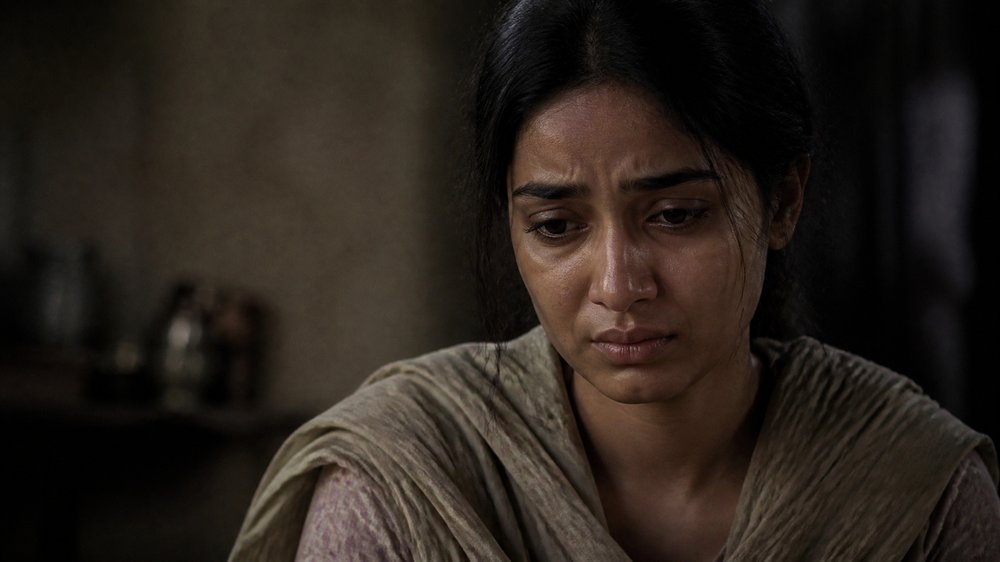
Gentle, frightened, abused — the wife of a suspect veterinarian whose premature baby died. Her testimony of cruelty and loss helps Sajal sharpen the profile of a man broken by his own grief.
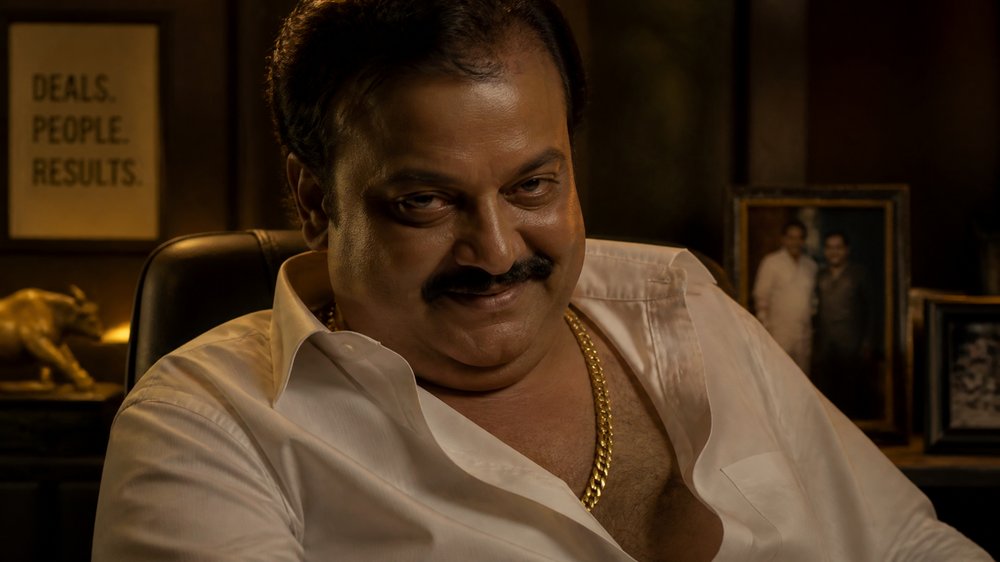
A broker with thirteen unprosecuted cases — the predator we watch Neha lure, paralyse and dismember in the opening episode, and the body the garbage crew unearths under the credits. The show’s thesis, delivered in one kill.
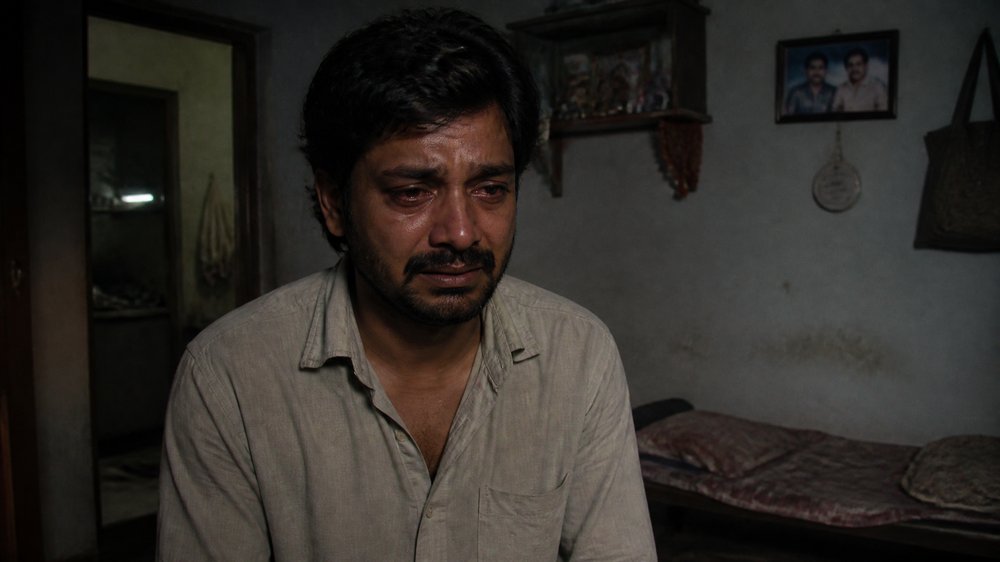
One of the first families struck by the Neo-Natal Killer; his angry hospital-corridor confrontation becomes a clue to the killer’s trigger.
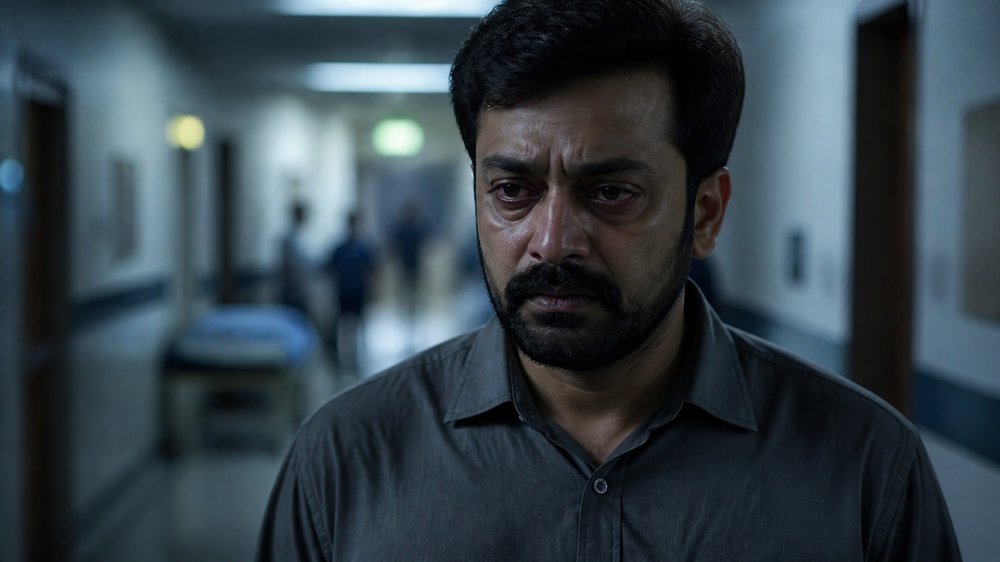
A second bereaved father whose corridor argument with a lender, minutes before his baby vanished, helps confirm Sajal’s theory of what “feeds” the killer.
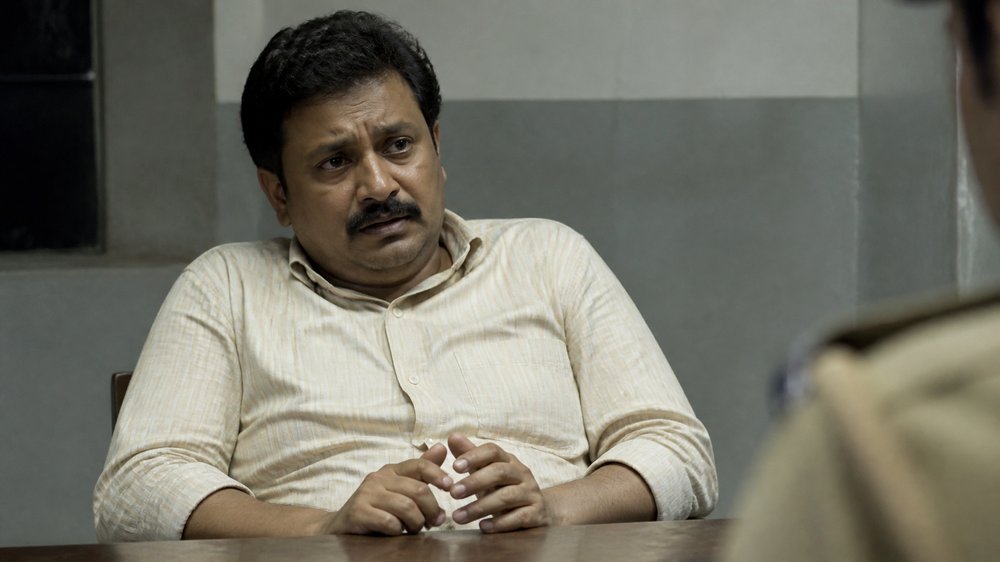
The oxygen-cylinder supplier who links two grieving families — the first, too-thin suspect, cleared by a wedding-video alibi, who teaches the team this killer is no opportunist.
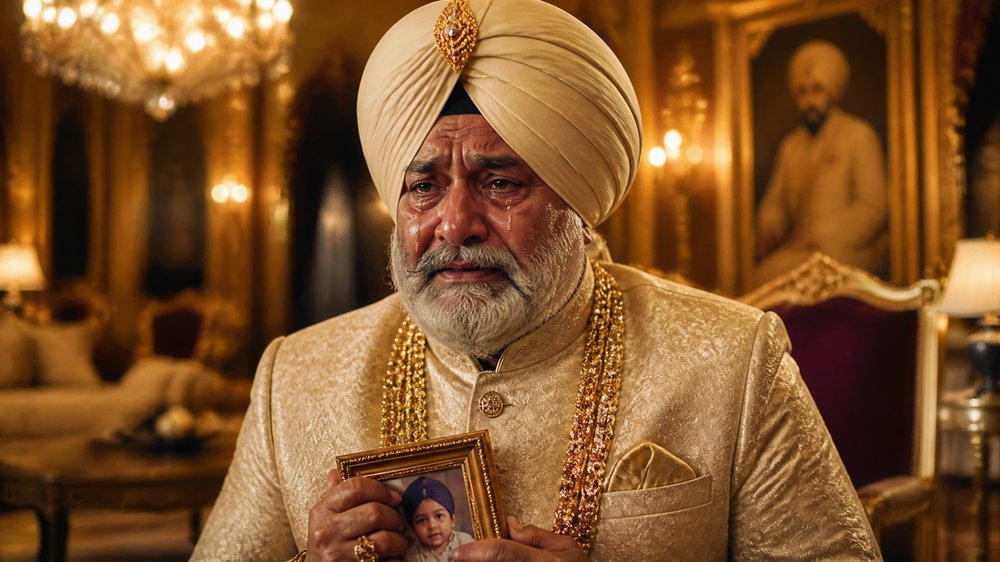
A billionaire whose newborn son is taken — the case that proves the killer wants no ransom, when Sajal overrides the instinct to pay and the baby is found alive.