BUDZAAT
A Lateral Works Studio Series
BUDZAAT
A Crime-Thriller Drama Series

BUDZAAT

Scientist. Survivor. Serial killer.
Two hunters. One truth neither can afford to find.
Season One · 30 Episodes · Returning Premium Drama
Delhi–NCR & Mumbai · 2012 · 2.39:1
Show Creator · Saurabh Sinha
► Audio Blueprint Locked
Season One is fully realised in audio — a performance-driven pre-production track that drives the structure, pacing and timing of the AI video generation. Pre-production is done; production is rendering.
Scroll
The Pitch

The Logline

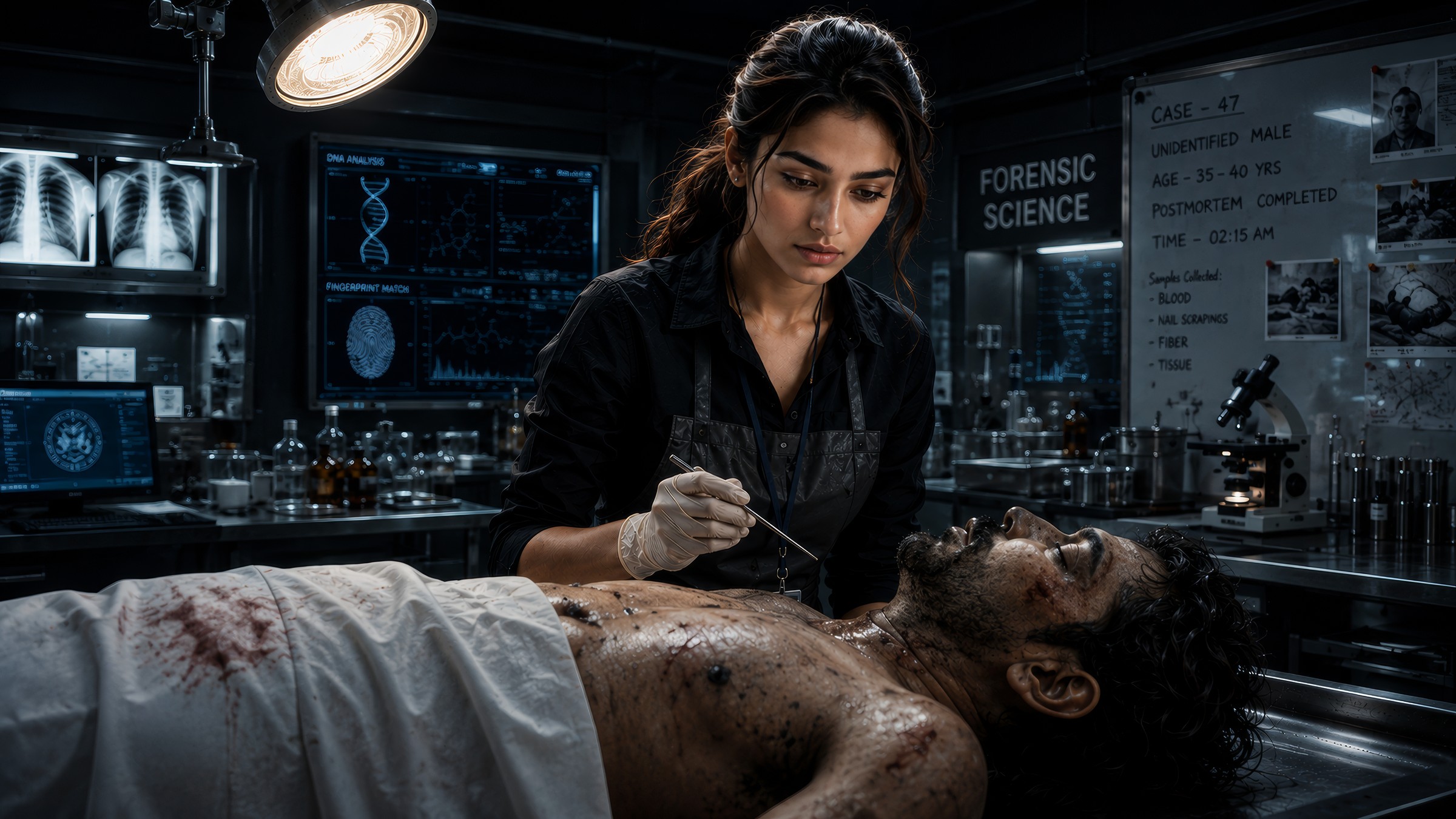
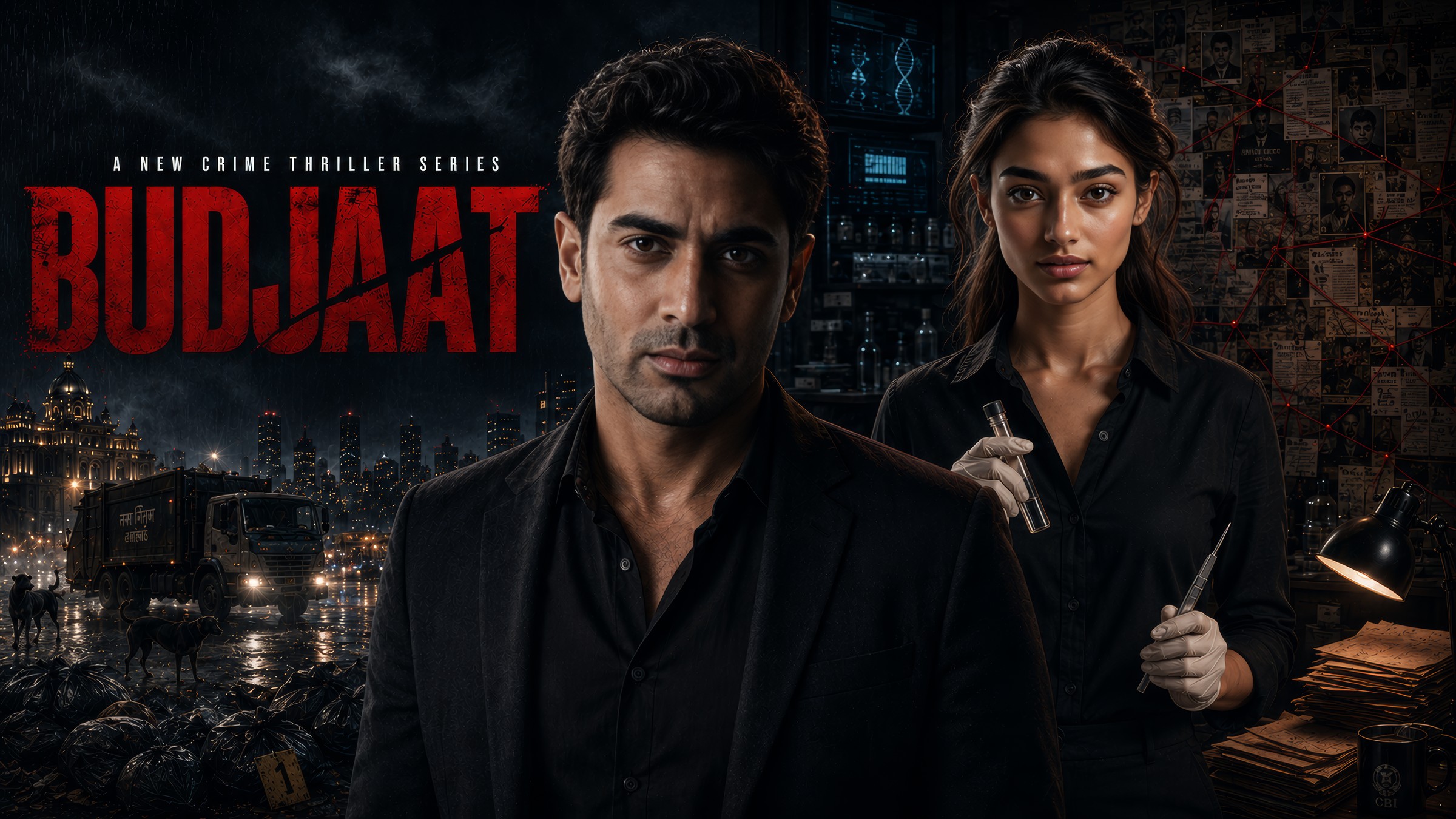
By day, Neha Chaturvedi is the most brilliant forensic scientist the CBI has. By night, she is the serial killer they are hunting — a survivor who lures, poisons and dismembers the powerful predators the law will never touch, then returns them to the city as garbage. When a blind profiler joins the unit and a far darker monster begins stealing newborns, the hunter must catch a killer without ever being caught herself.

Dexter walks into Delhi Crime — a procedural where the investigator and the murderer are the same woman, and the man profiling the killer is sitting at the next desk.
Title
BUDZAAT (बदज़ात) — “the wicked / ignoble one”
Format
Premium OTT limited drama series (originated as an audio drama)
Genre
Crime thriller · psychological · forensic procedural
Season One
30 episodes
Language
Hindi / Hinglish — dialogue in Roman Hindi, the soul of the show
Setting
Delhi–NCR & Mumbai
Period
2012 — deliberately pre-smartphone: BlackBerrys, CRT monitors, paper files
Frame
Cinematic 2.39:1 anamorphic, fine film grain
Comparables
Dexter · You · Delhi Crime · Raman Raghav 2.0 · Mindhunter
Narrator
The Sutradhar — Time itself, never embodied
The Season

The Premise

Neha Chaturvedi is twenty-six, exquisitely controlled, and the finest forensic scientist in the country. She is also the most prolific serial killer it has never caught. As a child she was raped for a year by her own uncle — now a sitting Chief Minister — who murdered her parents to bury it. She was saved and raised by Pundit Omkarnath, a legendary forensic scientist who recognised the wound in her and chose, monstrously and lovingly, to sharpen it rather than heal it.

Now Neha hunts the men the system protects: the brokers, CEOs, officers and politicians who buy their way out of every rape and every grave. She baits them as a high-end call girl, drugs them with a paralytic that leaves them conscious, recites their crimes, and returns the pieces to the garbage lanes and the river from which truth is never recovered. Her only friend is Rosy, an escort who knows the lure but not the kill. Her only confidant is the father who taught her everything.

When the bodies of powerful men surface across a dozen states, the PMO forces the CBI to act. Deputy Director Mishra recruits Sajal Agnihotri — a blind criminal profiler who “sees” killers by understanding their pain — who builds a unit: ex-RAW field agent Arjun, grief-driven digital prodigy Agyeya, and the blunt, honest Bihari cop Yadav. To run their forensics, Mishra brings in the best in the country. He brings in Neha. She takes a seat on the team hunting her.

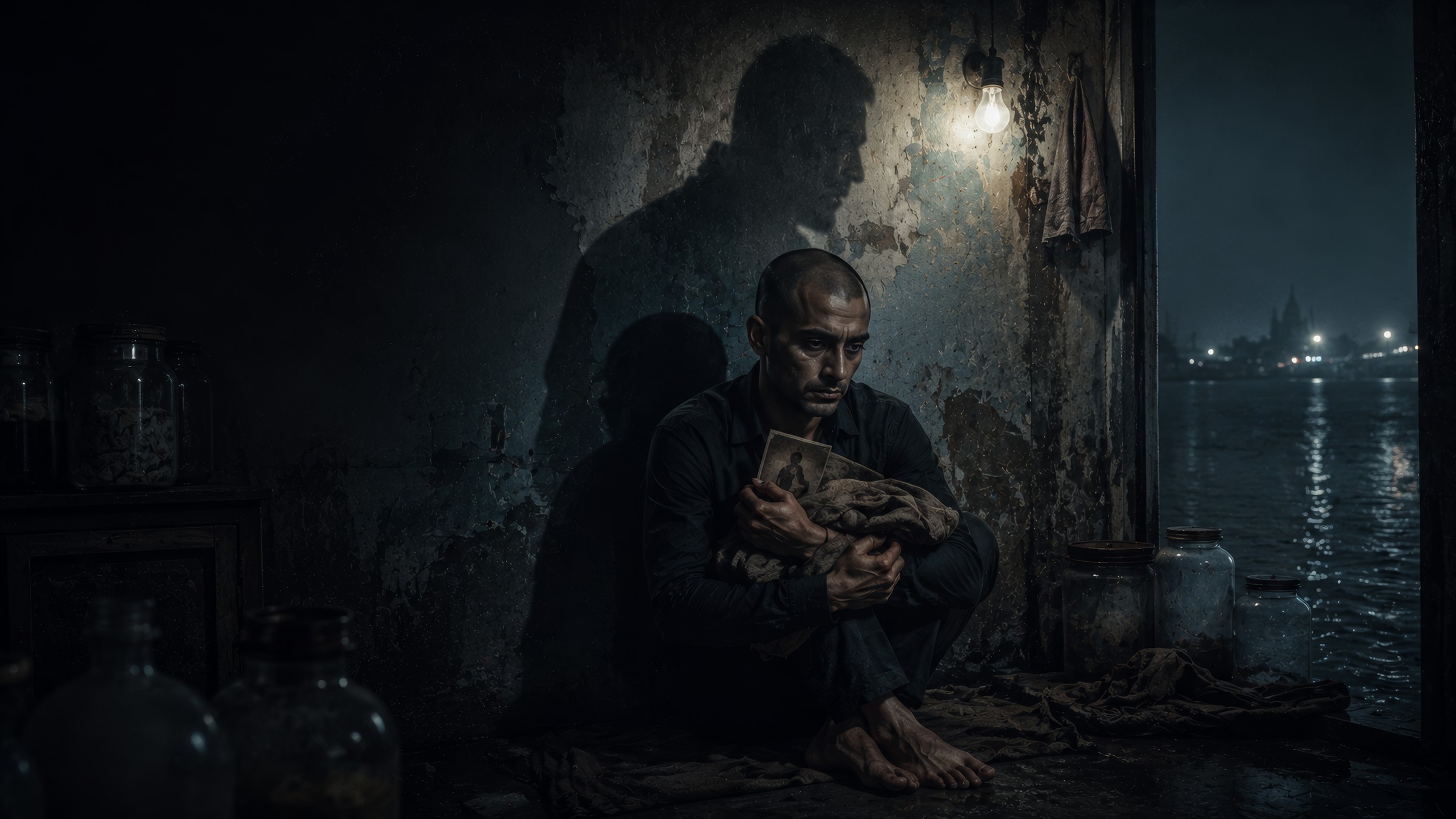
Then a second predator eclipses her. The Neo-Natal Killer steals newborns from maternity wards, keeps them tenderly for nine days, drowns them, and displays them in giant glass jars marked in the baby’s own blood — “Tu iske layak nahi hai.” You are not worthy of this. As the unit races to stop him, Sajal’s profile of a broken, abused, utterly lonely man begins to describe something Neha recognises in her own mirror — while the buried conspiracy that blinded Sajal and destroyed Pundit’s career stirs back to life.

No one in the room knows the killer is already inside it — except the one man who cannot see her face.
What It Is About

Themes & Why Now

The Question

Who is the budzaat?

The killer of predators, or the polite society that breeds and shields them? The show never lets the audience settle. We are made complicit in Neha’s justice, then shown its cost.

The Mirror

The monster as mirror

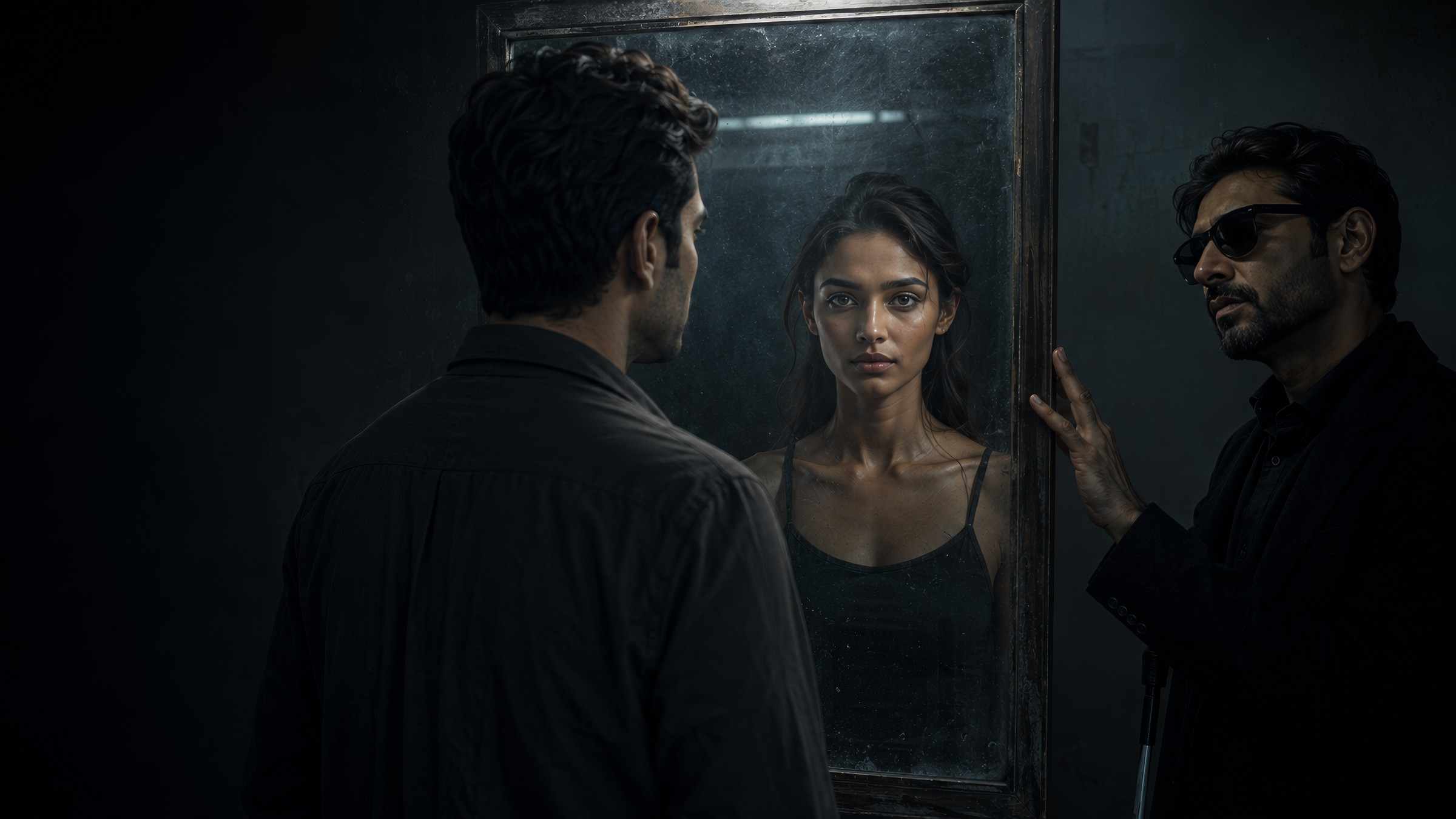
Sajal catches killers by finding their wound. The child-killer is built from the same material as Neha — abuse, abandonment, a love that curdled. The closer Sajal gets to the monster, the closer he gets to her.

The Cost

Trauma as inheritance

Every villain here was once a victim; every act of vengeance plants the next. The series interrogates the seductive lie that violence can balance a ledger.

The Reckoning

Justice the law won’t deliver

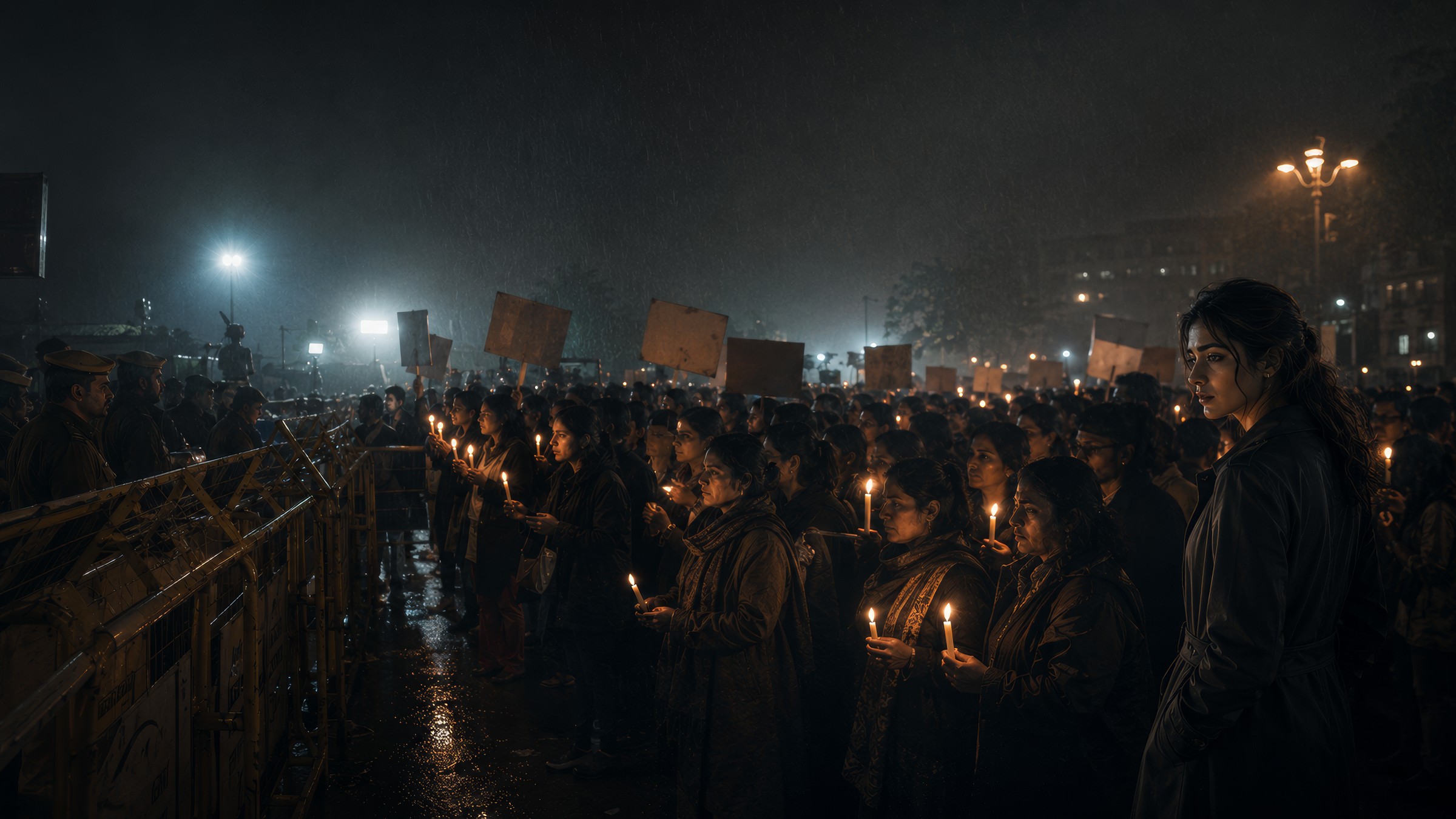
Set in 2012 — the year the country’s rage about impunity boiled over — Budzaat asks what a brilliant woman does when she has lost all faith in the system she serves.

Why Now

Why Budzaat, Why Now

Streaming audiences in India and worldwide are hungry for morally grey, female-led crime — antiheroines with interiority, not victims. Budzaat fuses the rigour of a procedural, the dread of true crime and the intimacy of a character study, and arrives with a built-in multi-season engine: the buried Diwakar conspiracy, and the vanished beauty queens of the Season One finale.

The Gold

The Gold

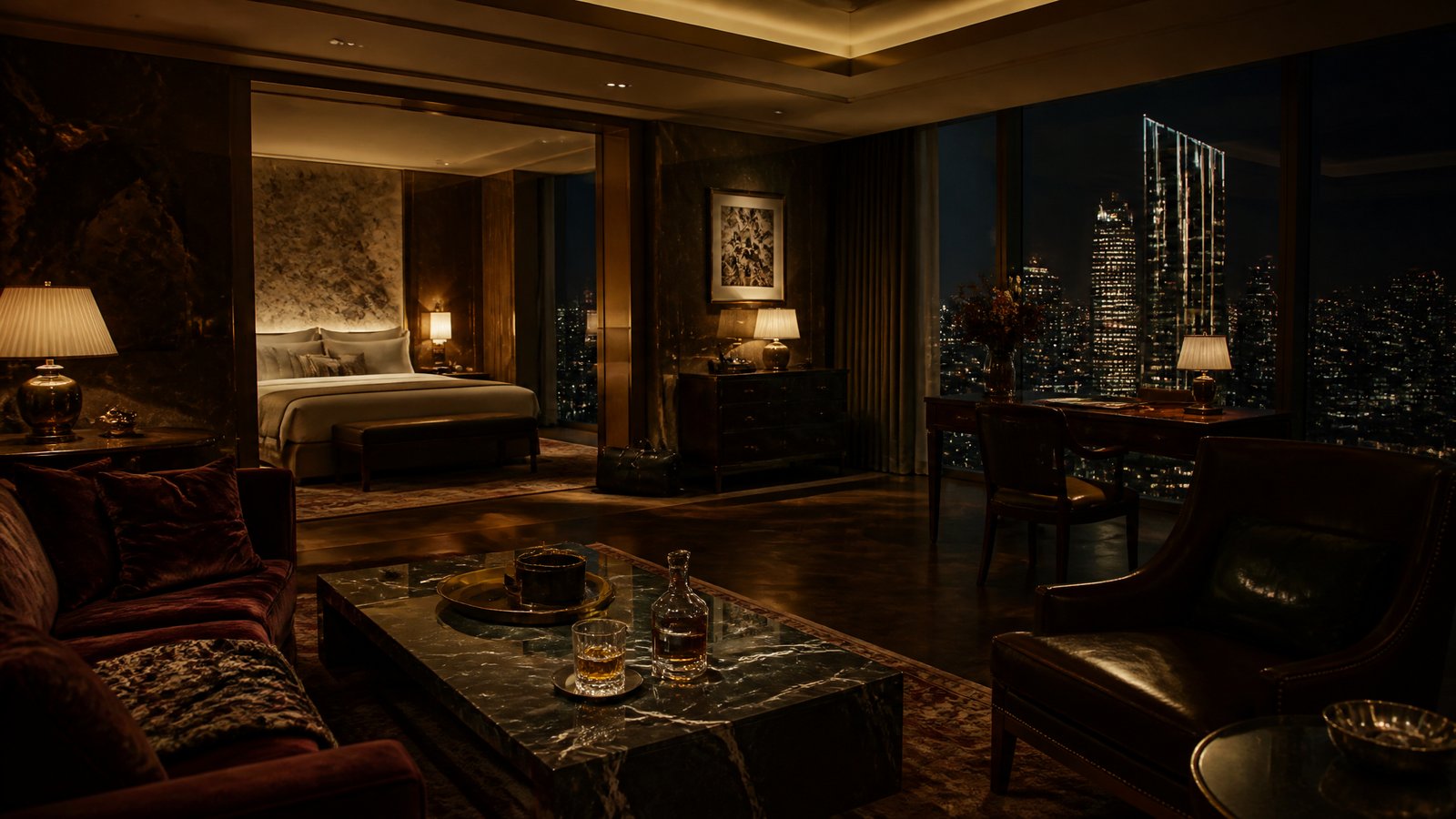
Predators & power

Five-star suites, glass towers, velvet and brass — the world that protects monsters.

The Cold

The Cold

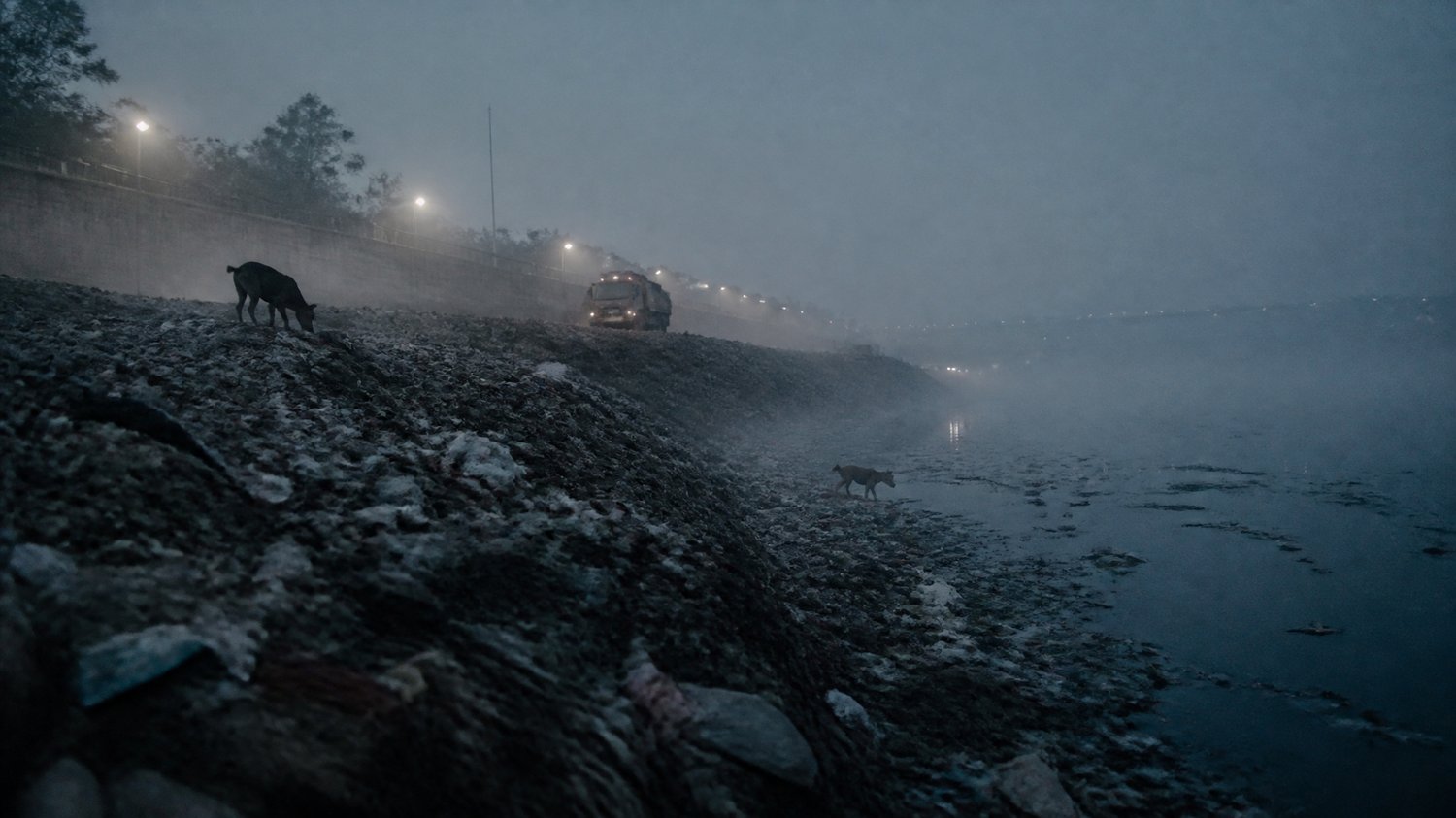
The discarded margins

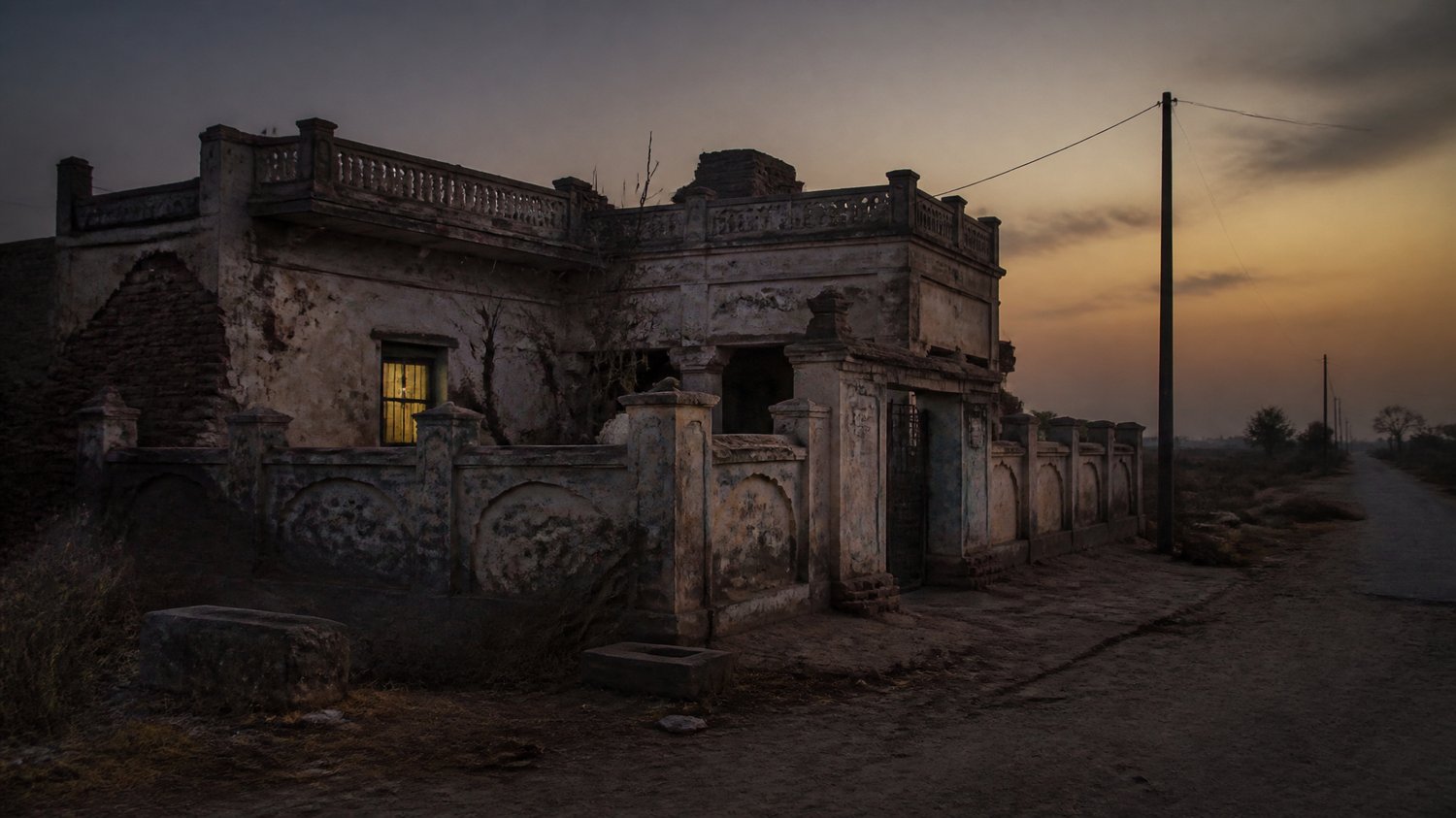
Garbage lanes, the river's edge, hourly motels — where bodies and truth are dumped.

The Lab

The Lab

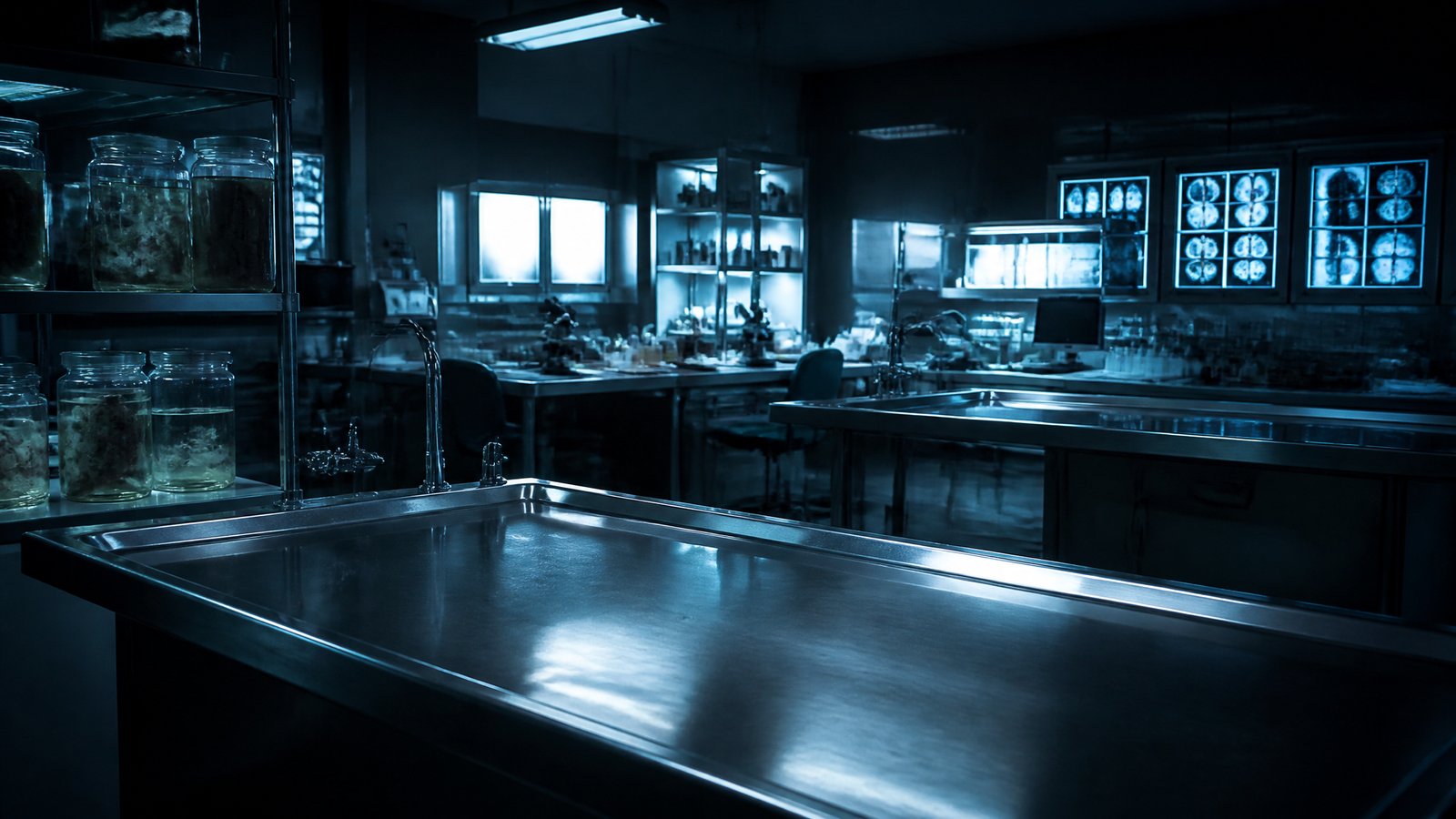
Order imposed on chaos

Sterile blue-white fluorescents, steel, evidence glass, monitor glow.

The Filmmaking

Tone & Visual Language

Camera grammar

Movement is keyed to who owns the scene. Neha hunting: locked-off, predatory, symmetrical, slow push-ins — the violence itself in silhouette or reflection, never gore; restraint makes it worse. Crime scenes: handheld, documentary, reactive. Sajal: shallow focus pulled by sound not sightline, the camera “listening.” The team: clean, competent Steadicam. Neha & Rosy: warmer, looser two-shots — the only honest relationship in the show.

Sound is a character

Budzaat began as an audio drama and honours it — Neha’s heel-click motif, the tear of duct tape, the gulp of a poisoned drink, a paralysed victim’s moan, a baby’s cry from a basement. Signature stings carry the dread.

The Sutradhar

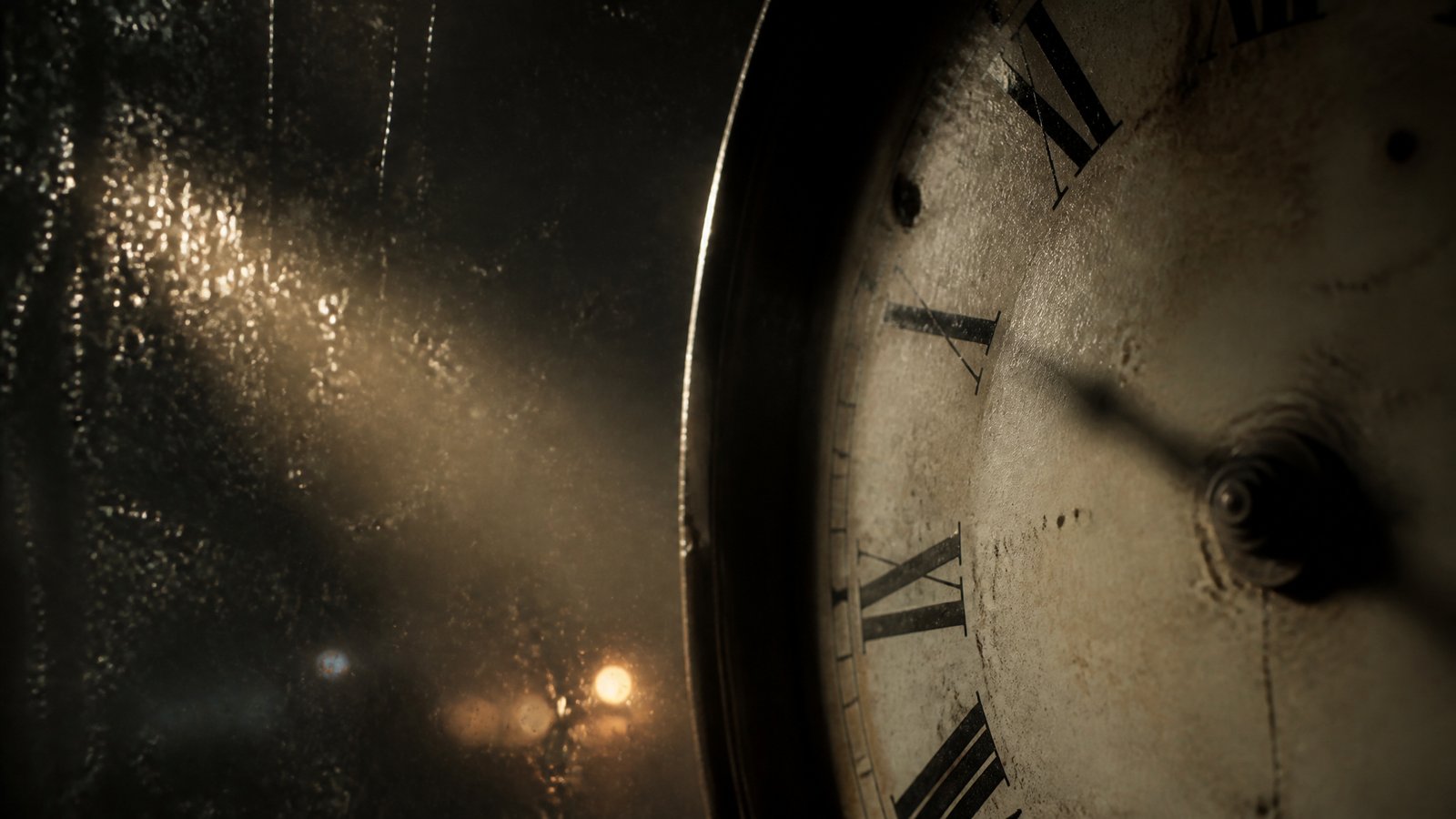
The narrator is Time itself, never a person — a clock’s second hand, flowing water, a stray dog, rain on a windscreen, dust in a sunbeam. Voice-over lays over these abstract interstitials and montage, watching every fate turn.

Period: 2012

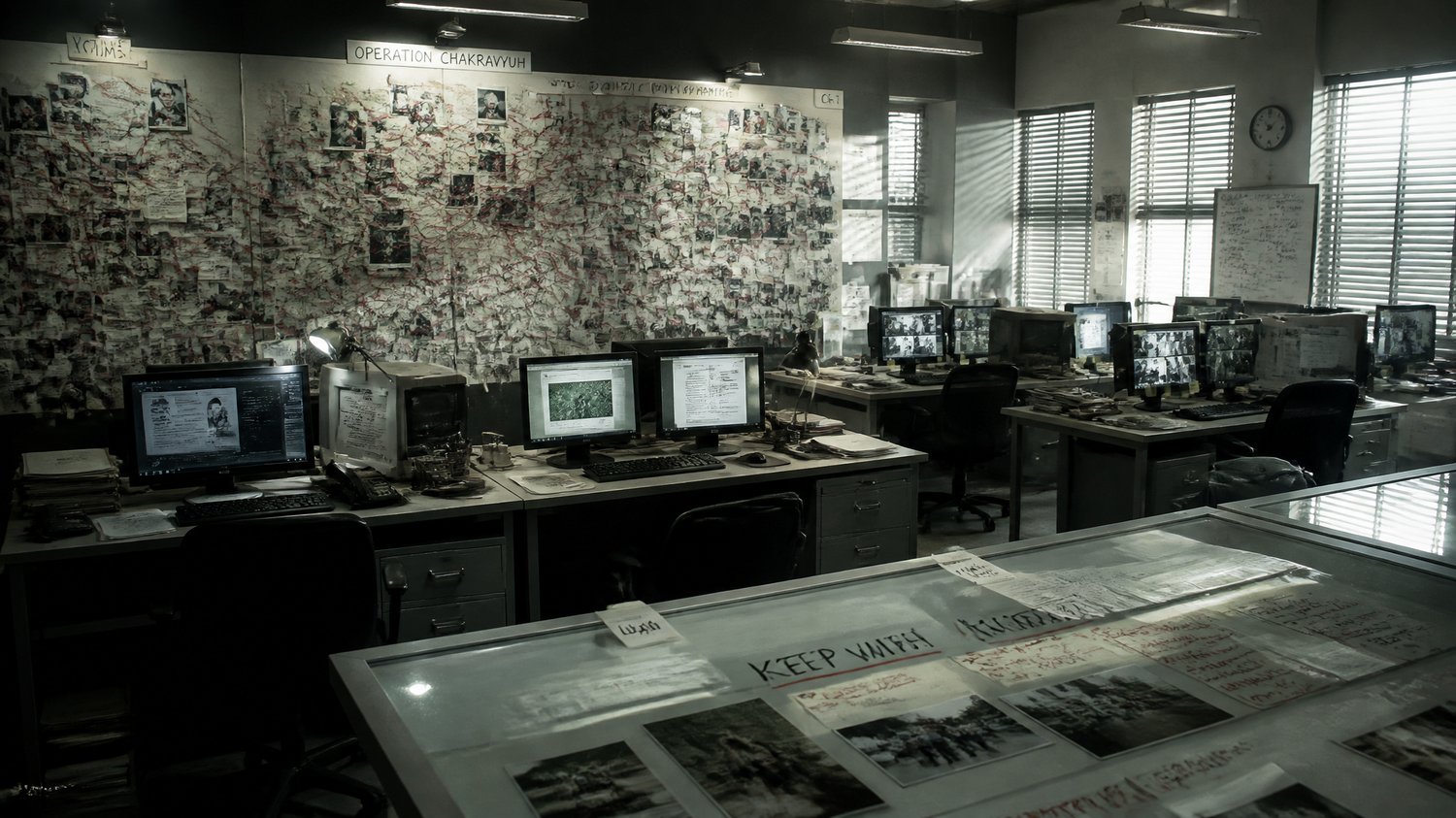
Bar-phones and early touchscreens, Ambassadors and Indicas as cabs, CRT monitors mixed with flatscreens at CBI, no UPI, physical case files, fat CCTV DVRs, print newspapers. Pre-smartphone-ubiquity, deliberately.

Structure

Season Arc & The Road Ahead

Season One arc

Two killers, one unit. Neha’s private war against predators runs underneath the CBI’s public hunt for the Neo-Natal Killer until, in the finale, the two cases converge: closing the child-killer forces the team to reopen the garbage-body murders — Neha’s own. The season ends with the hunter finally, properly, hunted.

The slow-burn engine

Sajal’s blindness is the show’s ticking clock turned inside out — he cannot see Neha, but he can hear, deduce and feel his way toward her. Every episode tightens the distance between the profiler’s portrait of “the killer” and the woman building it with him.

Season Two seed

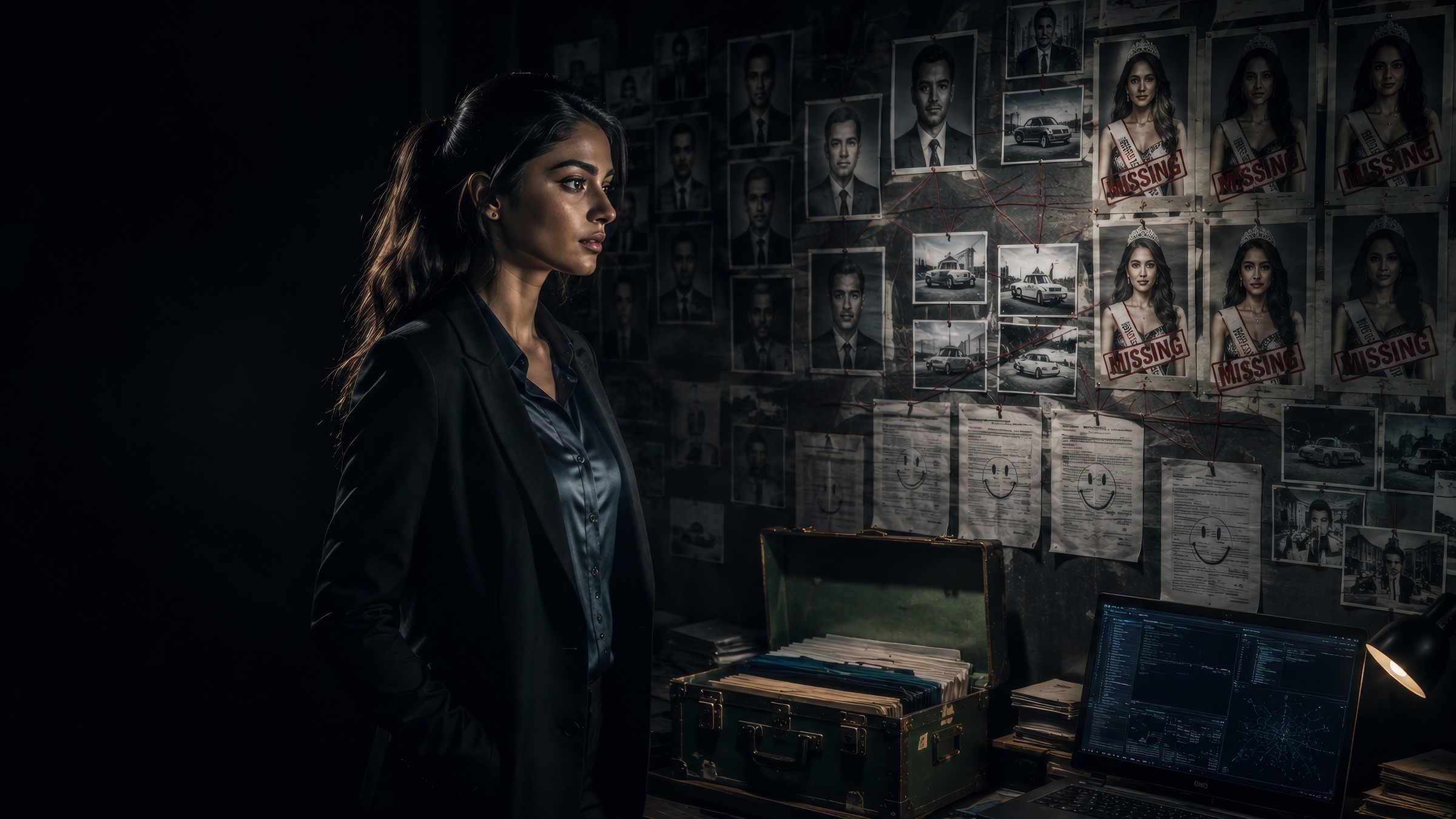
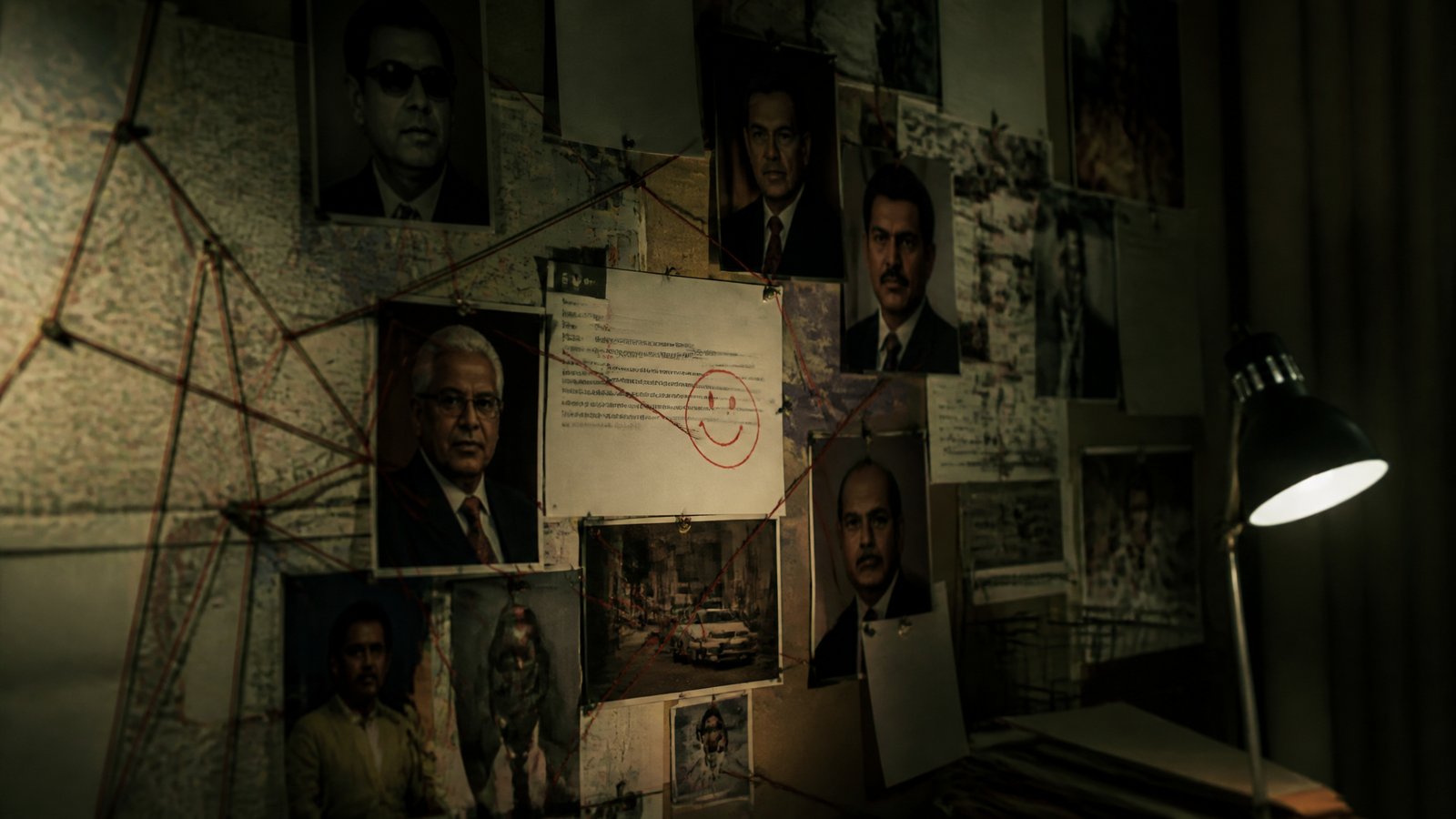
At least seven former beauty queens vanish overnight, each leaving one identical runaway email — “going to Mumbai,” signed off with the same smiley, : - ). A coordinated abduction ring with a calling card, and Neha’s exposure looming, open the next season.

The long spine

Pundit’s green trunk and the Diwakar counterfeit-currency conspiracy — the rot inside the CBI that blinded Sajal — is the multi-season backbone designed to carry the series well beyond Season One.

Season One · By the Numbers
0
Episodes
0
Minutes of Story
0
Principal Characters
0
Locations
0
Cities
0
Seasons Planned
Explore the Bible

Go Deeper